One region, these peoples
The Shared Map
Every glowing point is a living community — hover or tap for its heartland, click to open its story. Positions and sizes are indicative. The Amazigh, whose world stretches deep into the Maghreb, are marked here at Siwa — their eastern outpost.
The communities
The Mosaic
Each emblem is drawn from the community's own visual world — its shrines, stars, letters and instruments. Population figures are the estimated numbers living within the Middle East and North Africa today.
Alawites
ʿAlawīyūn / Nusayrīs
The esoteric faith of Syria's coastal mountains — from persecuted peasantry to ruling caste and back into danger.
≈ 3 million Syria, Hatay & Lebanon
Alevis
Alevîler
Anatolia's heterodox path — worship with music and semah, centred on the cem gathering.
≈ 12 million in Türkiye (est.)
Amazigh
Imazighen
North Africa's indigenous people — the free people of the Atlas, Kabylia and the oases.
≈ 25 million Tamazight speakers (est.)
Armenians
Hayer
The first Christian nation — its Middle Eastern world destroyed in 1915, its remnant communities enduring.
≈ 250,000 in the Middle East
Assyrians
Sūrāyē
Aramaic-speaking Christians of Mesopotamia, heirs of Nineveh and the Church of the East.
≈ 350,000 in the Middle East
Baha'is
Bahā'iyyūn
A young universalist faith born in Iran — and Iran's most persecuted minority.
≈ 300,000 in Iran
Circassians
Adyghe
Caucasian exiles of 1864 — founders of modern Amman, guards of kings, keepers of the khabze.
≈ 2.3 million Levant & Türkiye (descent)
Copts
Ni.remenkīmi
Egypt's native Christians — the region's largest minority, church of the desert fathers.
≈ 10 million in Egypt
Druze
al-Muwaḥḥidūn
An esoteric mountain faith closed to converts since 1043, spread across four states.
≈ 1.1 million in the Levant
Ismailis
Ismāʿīliyya
Heirs of Fatimid Cairo and the castles of the Assassins — today a global imamate's oldest fragments.
≈ 800,000 in the region
Jews
Yehudim
The ancient communities of Babylon, Yemen and the Maghreb — remnants outside Israel, a majority within it.
≈ 7.3 million in the region
Kurds
Kurd
The region's largest stateless people, spread across four countries and one mountain chain.
≈ 33 million across four states
Mandaeans
Mandāyì
The last Gnostics, baptised weekly in living water; among the world's most endangered faiths.
≈ 15,000 Iraq & Iran
Maronites
Mawārina
Syriac Christians of Mount Lebanon, in communion with Rome — the church that shaped a state.
≈ 1 million in Lebanon
Samaritans
Shamerim
Nine hundred keepers of the oldest Torah tradition, on their holy mountain above Nablus.
≈ 900 the world total
Shabak
Šabak
A syncretic people of sixty villages on the Nineveh plain, targeted relentlessly since 2003.
≈ 350,000 Nineveh Plains
Turkmen
Türkmenler / Turkumān
Turkic-speaking towns strung between Mosul and Baghdad — the third people of Iraq.
≈ 850,000 Iraq & Syria (est.)
Yarsan
Yārsān / Ahl-e Haqq / Kaka'i
The sung faith of the Zagros — divine avatars, a sacred lute, and a deep habit of secrecy.
≈ 2 million Iran & Iraq
Yazidis
Êzidî
Keepers of Lalish and the Peacock Angel, survivors of the 2014 Sinjar genocide.
≈ 550,000 in the Middle East
Zoroastrians
Zartoshtiyān
Keepers of the sacred fires of Yazd — the remnant of Iran's pre-Islamic faith.
≈ 25,000 in Iran
Beyond the profiles
Stories
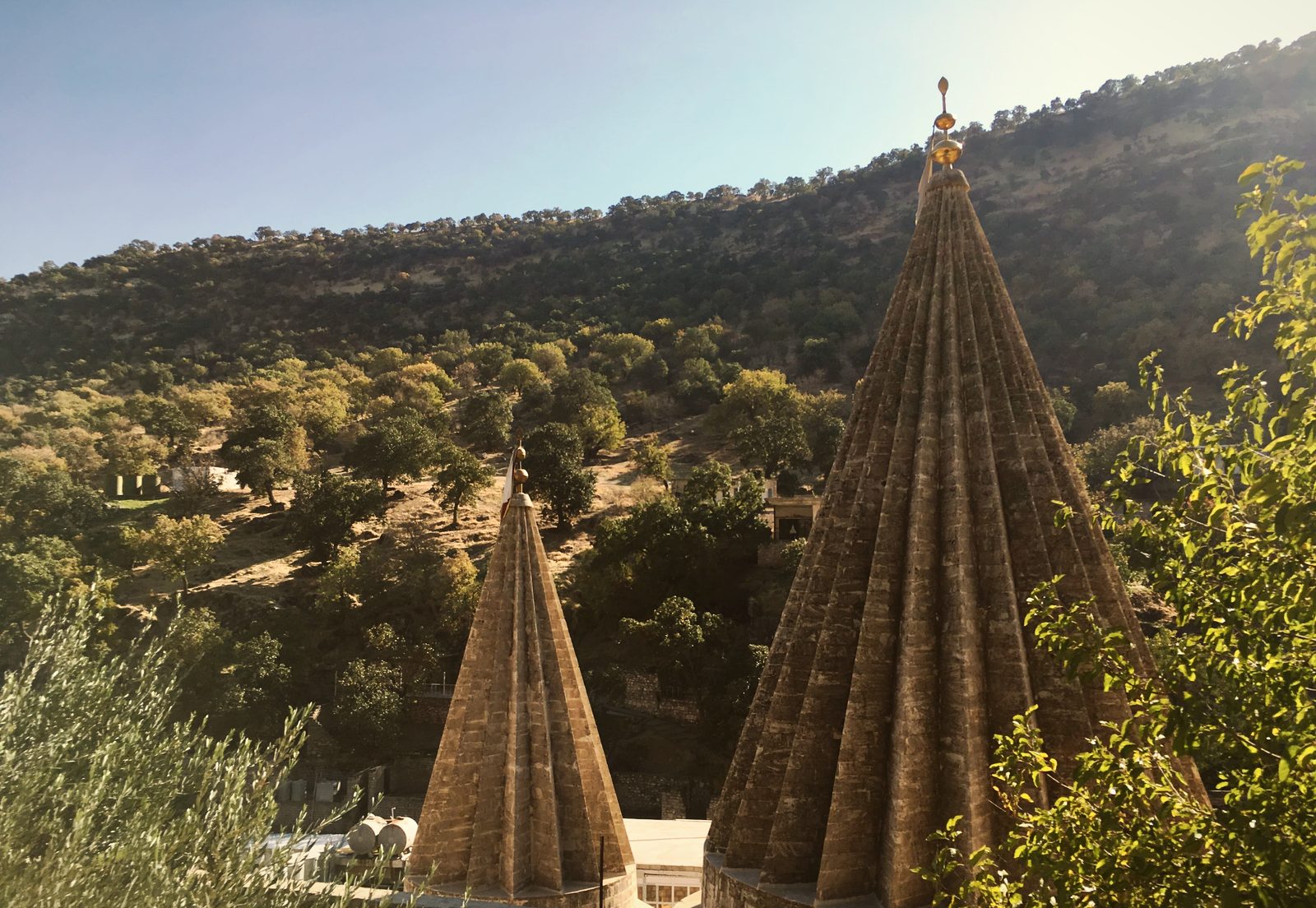
Travel · Lalish, northern Iraq
The Peacock's resting place
Four thousand years of sanctuary, seventy-four persecutions, and one barefoot afternoon among the Yazidis of northern Iraq.
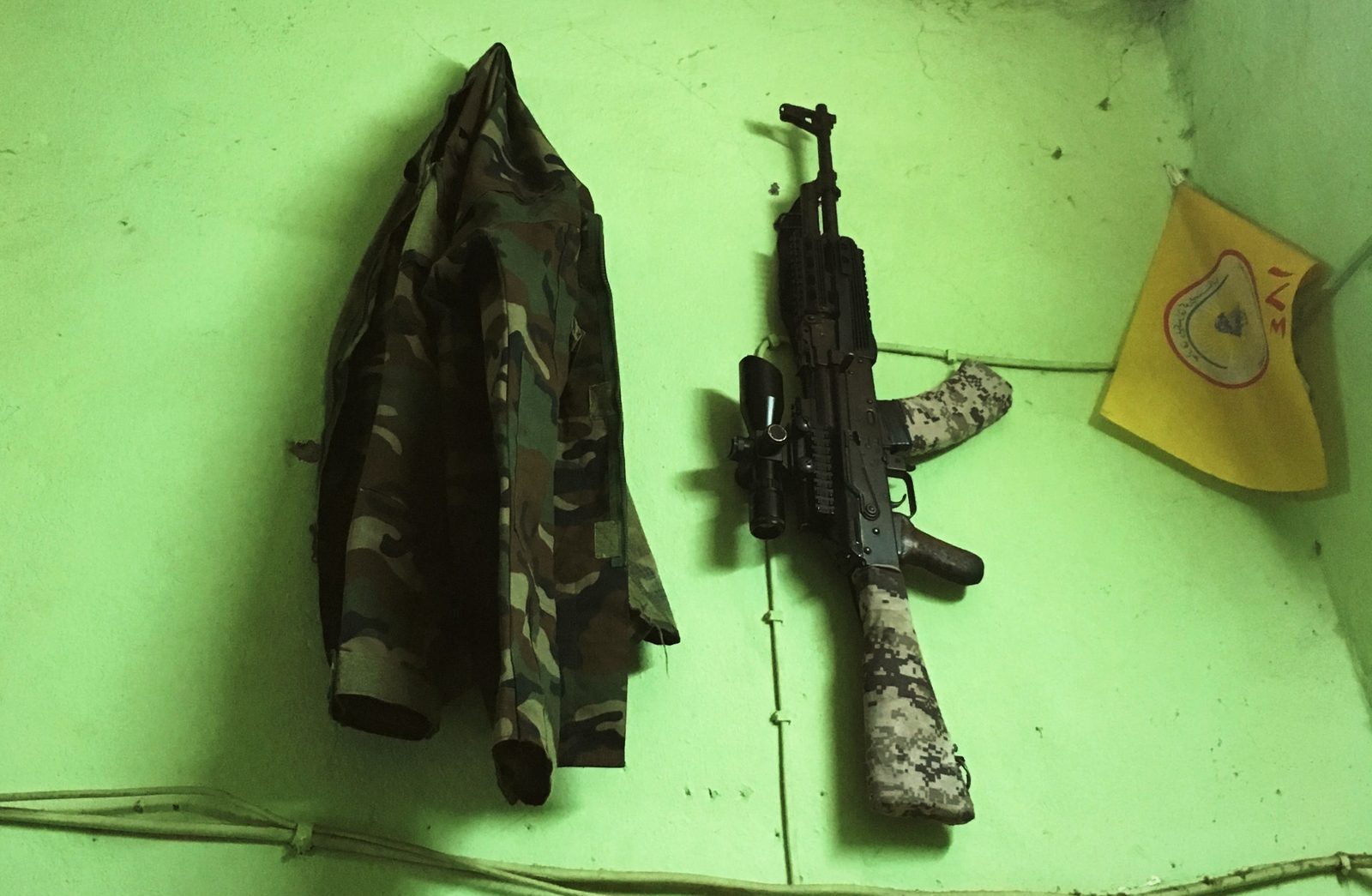
Assyrians in Alqosh
Four soldiers, three bunk beds, a wall of Kalashnikovs — and the 1,400-year-old monastery they guard. A night among the Assyrians who stayed.
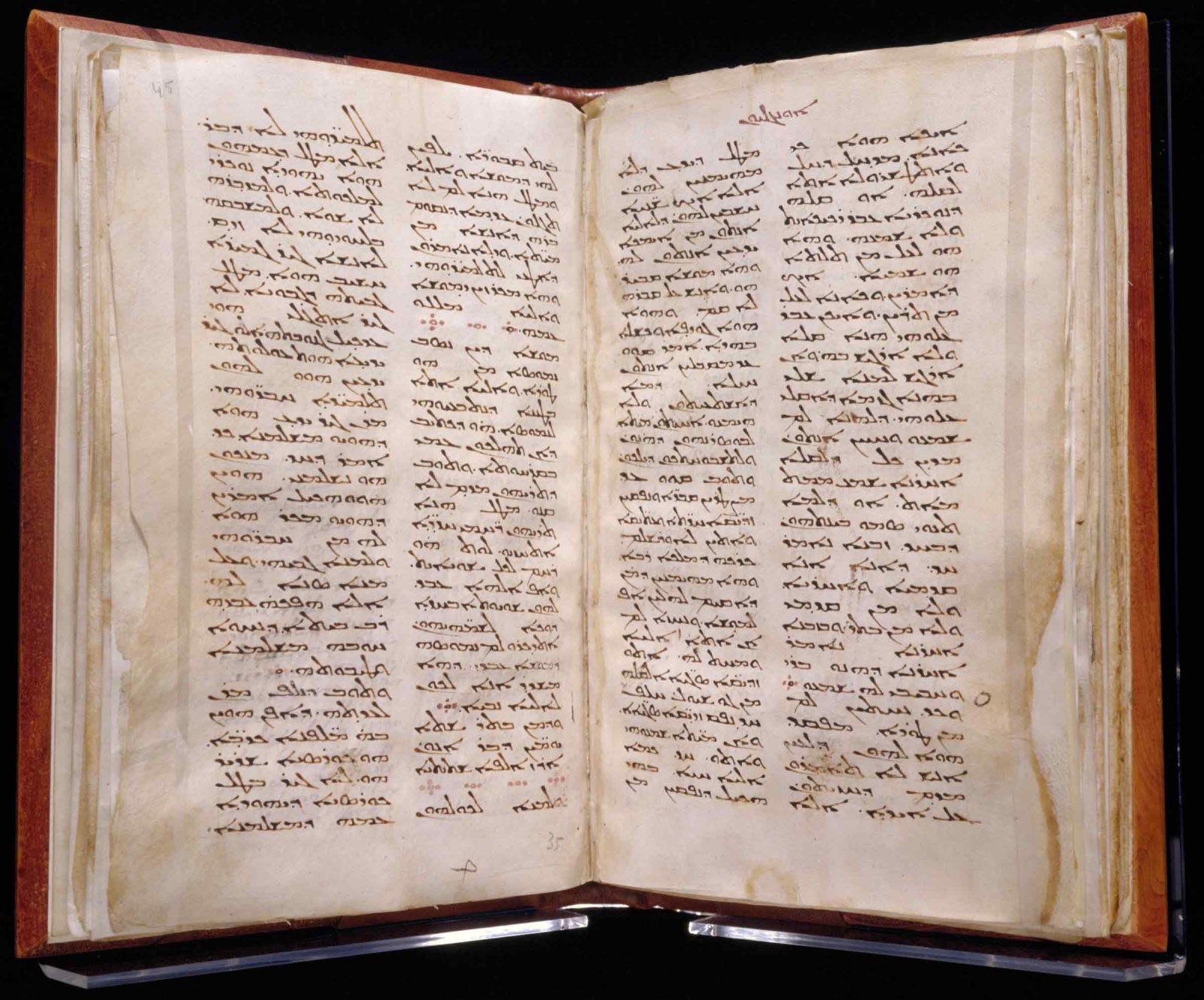
Neo-Aramaic
From imperial lingua franca to four endangered dialects: how the language of Jesus survived everything except the twentieth century.
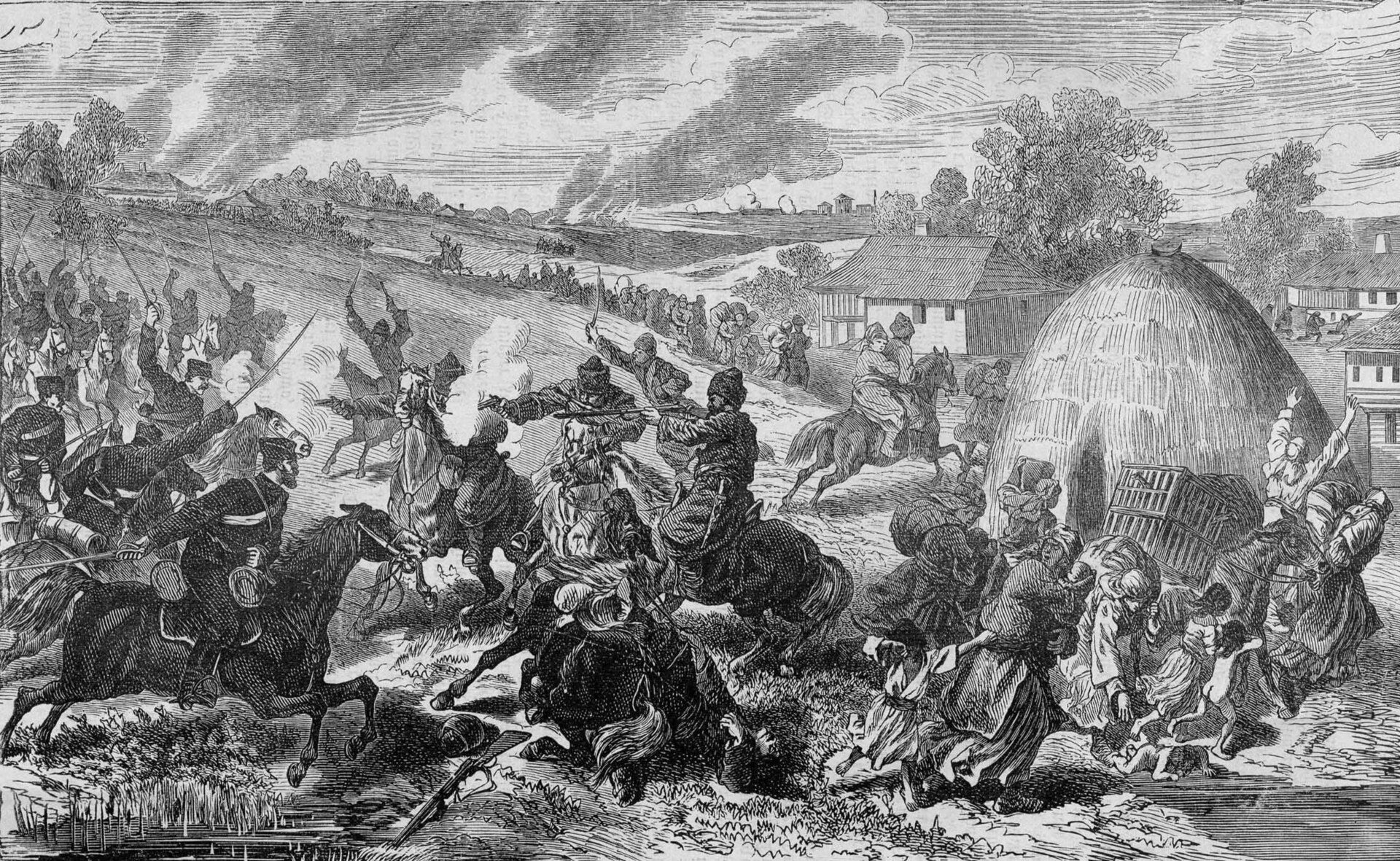
The Circassian exile
How an empire's final campaign emptied the Caucasus — and why the road from the Black Sea beaches ends at the founding of Amman.
Also in the atlas: The Shared Timeline — one history, these peoples → The Region in Numbers — the communities side by side → Why minorities? — the story behind the atlas →