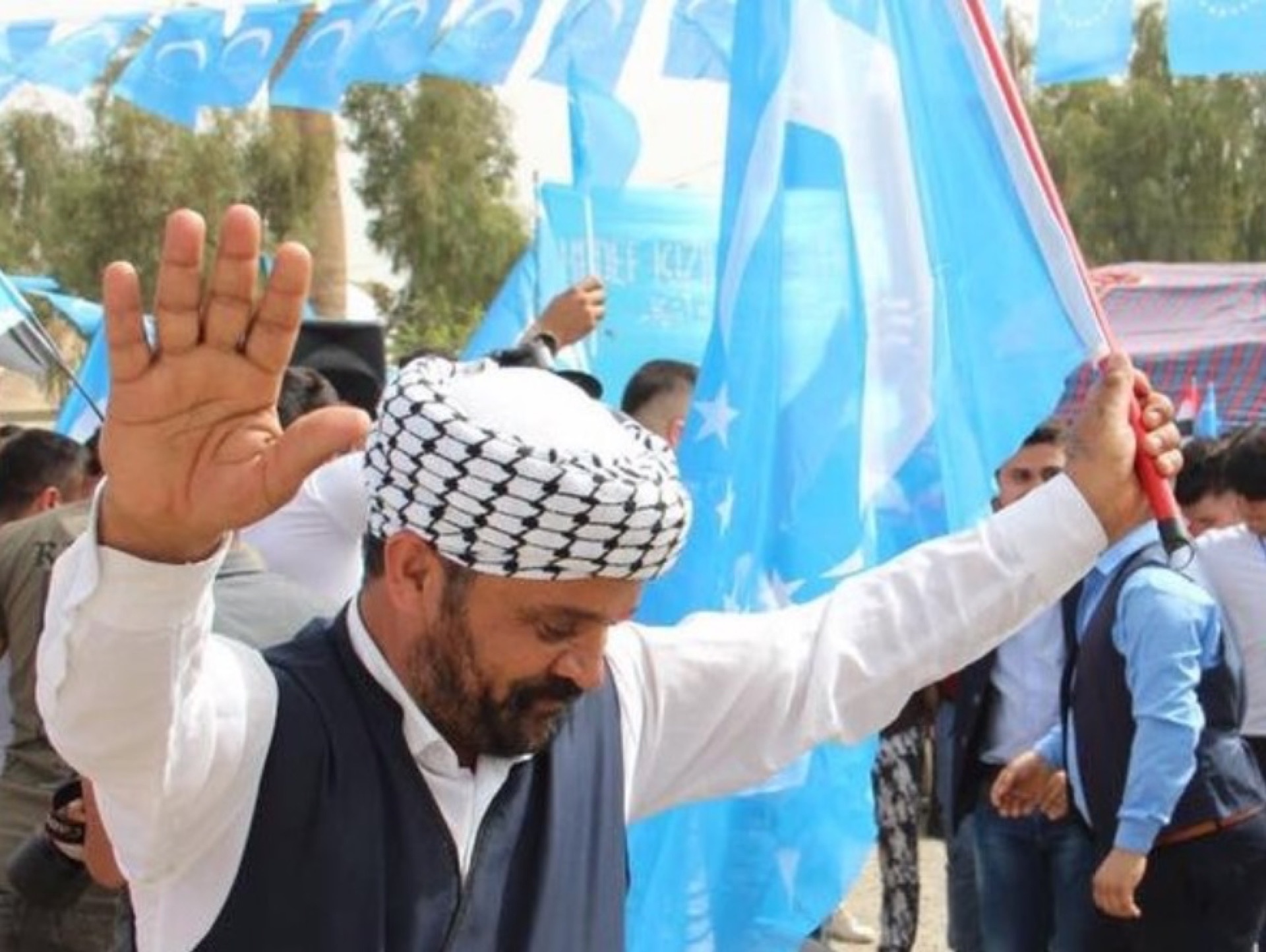
Legend & origins
Soldiers of the road
Turkmen memory begins with garrisons: Oghuz Turkic soldiers settled by Abbasid caliphs from the 9th century, reinforced by Seljuks and finally the Ottomans, to hold the great road that stitched Anatolia to Baghdad.
The towns they planted — Tal Afar, Mosul's quarters, Erbil's citadel, Altun Kupri, Kirkuk, Tuz Khurmatu, down to Mandali on the Iranian border — still form a diagonal band Iraqis call Turkmeneli, “the land of the Turkmen.” Ottoman civil servants, merchants and poets made Kirkuk a Turkic literary city; its castle quarter spoke Turkish into living memory.
The end of empire stranded them. Promised cultural rights in 1932 as a condition of Iraq's independence, the Turkmen instead met the young state's violence early — the Levies' massacre in Kirkuk in 1924, executions of Turkmen officers in 1959's Kirkuk riots — and Saddam's Arabisation drives, which banned the language from schools and imported Arab settlers into Kirkuk's oil belt. Every Iraqi census since has been fought over their numbers.
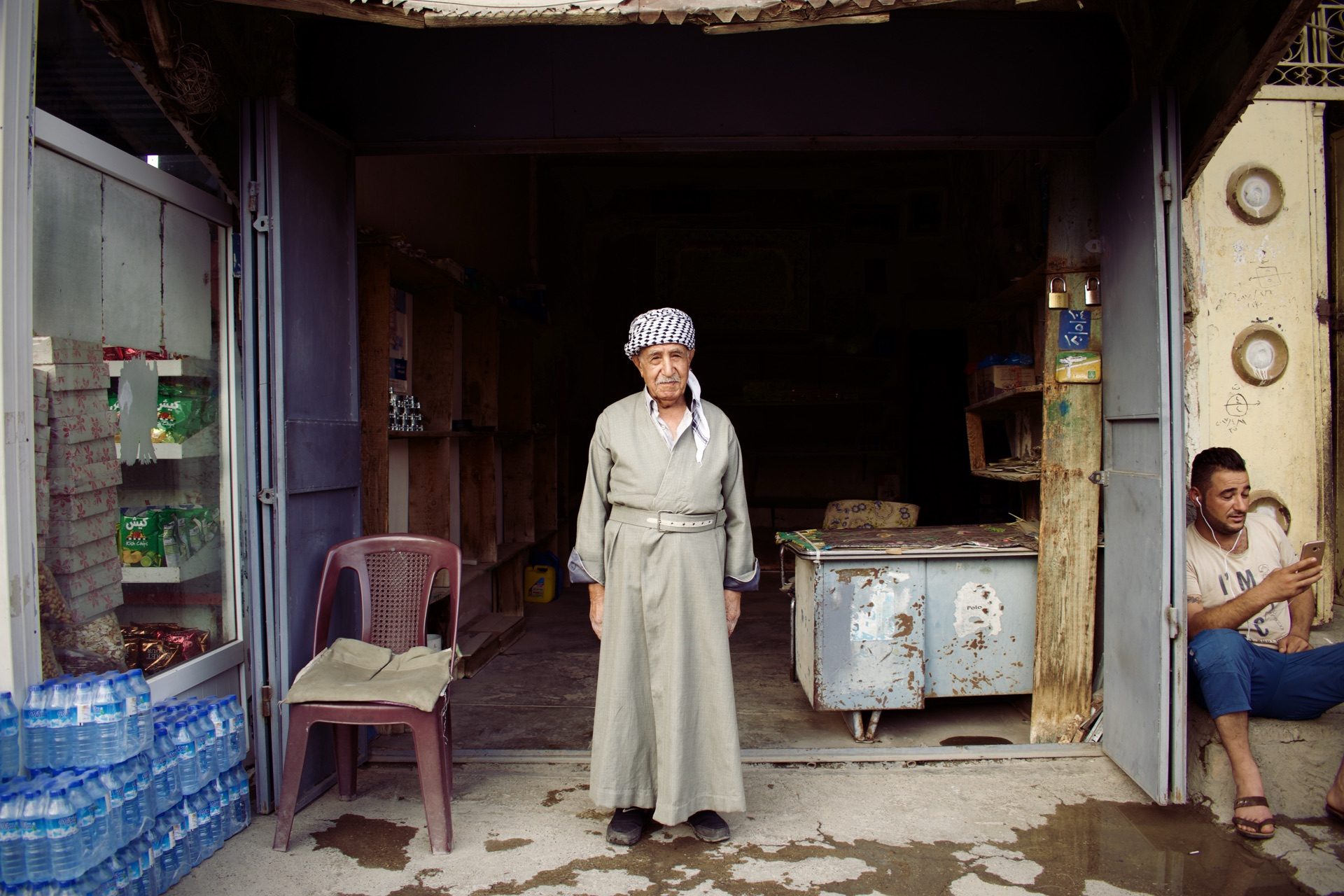
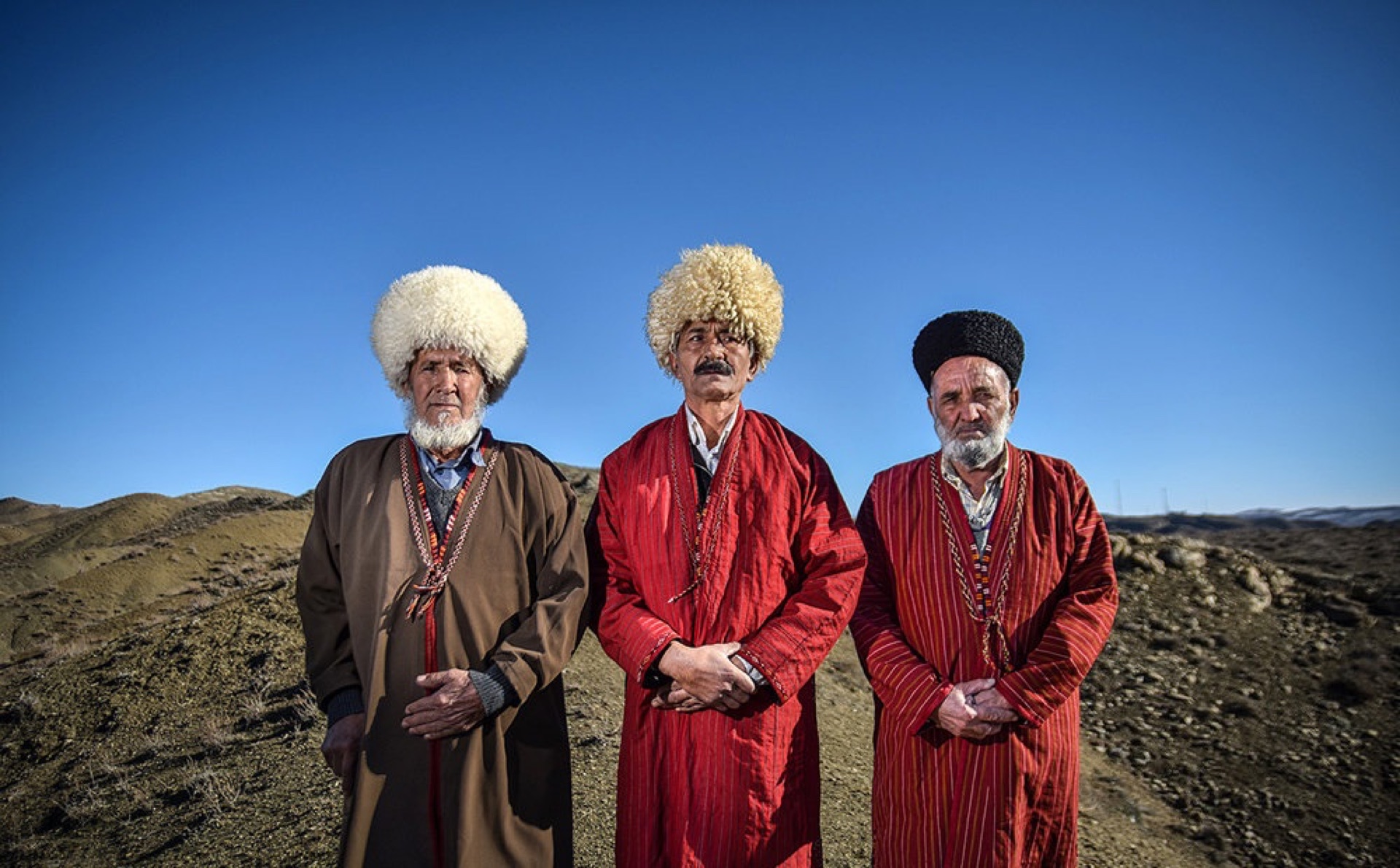
What sets them apart
A city people between two nationalisms
Unlike the mountain communities of this atlas, the Turkmen are urban to the core — their identity built in citadels, coffeehouses and songbooks rather than valleys.
The khoyrat
Kirkuk's signature art: compressed, punning quatrains sung in a high lament — poetry contests in a coffeehouse register, carried now by satellite channels and weddings alike.
Turkmeneli, the imagined band
The mental map of a diagonal homeland from Tal Afar to Mandali — never an administrative unit, always a claim — organises Turkmen politics to this day.
Twin confessions
Turkmen split roughly evenly between Sunni and Shia, and mixed towns like Tuz Khurmatu carry both mosques on one street; the split cut brutally along front lines after 2014.
A revived alphabet
Banned from print under Saddam, Iraqi Turkmen re-adopted a Latin alphabet on the Turkish model in 1997 — a language now taught again in Kirkuk schools.
2014 — today
Tal Afar and the broken band
No Iraqi community was split by ISIS quite like the Turkmen. Sunni-majority Tal Afar — 200,000 people, the largest purely Turkmen city — fell in June 2014; its Shia Turkmen fled or were killed, and hundreds of Shia Turkmen women from Tal Afar and the Amerli area were enslaved alongside Yazidis. Amerli itself, a Shia Turkmen town, survived an eighty-day ISIS siege on wells and airdropped bread.
Liberation brought its own reckonings: Shia Turkmen brigades within the Popular Mobilisation Forces now garrison towns their Sunni cousins fled, and Tal Afar remains half-empty. In Syria, Turkmen communities of the Aleppo and Latakia countryside were pulled early into the civil war under Turkish sponsorship, and their villages sit today inside zones of Turkish influence. In both countries the Turkmen remain what they have been for a century: numerous enough to be courted, dispersed enough to be overruled.
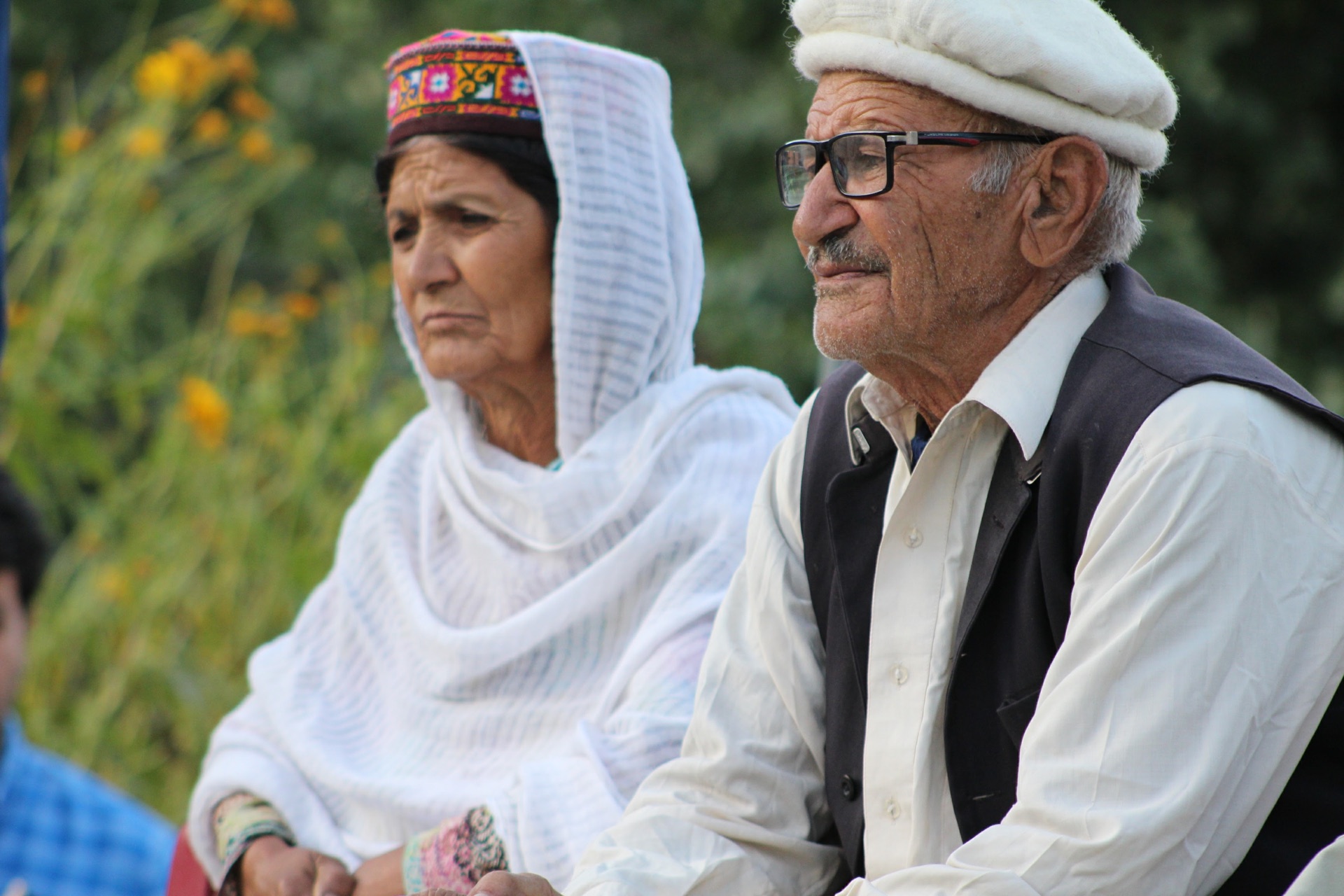
Kirkuk is a Turkmen poem written in three languages.On the city at the heart of Turkmen identity
Geography
Where they live
The Turkmeneli band in Iraq and the Syrian Turkmen pockets. Zones are indicative concentrations.
Through time
Timeline
- 9th centuryGarrison settlement begins. Abbasid caliphs settle Oghuz Turkic soldiers along the Khorasan road; Seljuks and Ottomans deepen the band.
- 1918–32Empire ends, promises fray. Turkmen cultural rights pledged at Iraq's independence are progressively withdrawn; the 1924 Kirkuk massacre sets the tone.
- 1959The Kirkuk riots. Communist-aligned forces kill dozens of Turkmen notables — a wound still commemorated every July.
- 1970s–90sArabisation. Saddam bans Turkmen education, renames districts and settles Arab families across the Kirkuk oil belt.
- 2014Tal Afar falls; Amerli holds. ISIS shatters the band along its Sunni–Shia seam; enslavement and siege follow.
- TodayNumerous, dispersed, overruled. Turkmen parties hold seats in Baghdad and Erbil but no province of their own; Kirkuk's census is still postponed.
The third people of Iraq
Estimated population
Fiercely contested numbers: Turkmen parties claim up to 3 million in Iraq; scholarly estimates cluster around 500–800,000. Syrian figure counts Turkic speakers; claims of descent run far higher.
View as table
| Where | Estimate |
|---|---|
| Iraq | ≈600,000 |
| Syria | ≈250,000 |
| Diaspora | ≈150,000 |
What they gave the region
Kirkuk's poets and pastry-makers
Turkmen culture is urban craftsmanship: the khoyrat — compressed, punning sung quatrains — is Iraq's most distinctive vocal art, carried by legends like Abdul Wahid Kuzeci and echoed in the Iraqi maqam UNESCO now protects. Kirkuk's citadel workshops, Erbil's covered bazaar and the kitchens that perfected kubba and dolma in their Turkic registers all carry Turkmen fingerprints; the community's poets wrote some of Ottoman Iraq's finest verse.
Bilingual by necessity, Turkmen have long been Iraq's translators and middlemen — the people through whom Baghdad, Erbil and Istanbul talked to each other.
Looking forward
Between Ankara's embrace and Iraq's arithmetic
Tal Afar's slow repopulation and Kirkuk's endlessly postponed census will decide whether Turkmen remain a political community or dissolve into Iraq's binary Arab–Kurdish contest. Turkish patronage brings schools, satellite channels and leverage — and the risk of being seen as someone else's instrument. The Latin-alphabet revival in Kirkuk classrooms is quietly succeeding, and the khoyrat has found new audiences online.
In Syria, Turkmen fortunes ride on the post-Assad settlement and Ankara's zone of influence. Numerous enough to be courted, dispersed enough to be overruled — the Turkmen century ahead looks, once again, like a negotiation.
The emblem
The göl
The octagonal göl is the medallion at the heart of Turkic carpet weaving — each tribe historically holding its own variant, a woven coat of arms. It stands here for a people whose identity travelled in patterns: carpets, songs and citadel walls rather than states.