About this project
Behind the Atlas
An independent documentary atlas of twenty ethno-religious communities — who makes it, why, and how to take part.
The idea
Why Minorities?
The Middle East is home to remarkable people and an extraordinary wealth of cultures — not only among its dominant societies, but also within the smaller communities that are so often overlooked.
The aim is not to emphasise difference or to sort people into boxes; whatever our background, the same blood runs through our veins. Yet over centuries human communities have grown into distinct identities — and fortunately so, for the world would be duller if we were all the same. Nowhere is that diversity deeper than in the Middle East, and nowhere more at risk: communities that once flourished as part of the region's fabric are, in many cases, now small minorities facing an uncertain future.
This atlas exists to give them a human face. It walks away from the capitals, conflicts and majorities through which the region is usually told, into the mountain valleys, oasis towns and old city quarters where its oldest peoples still live — twenty communities, from the 900 Samaritans of Mount Gerizim to the tens of millions of Kurds, each given the same care: its own story, photography, map, timeline and data.
It is not a political project. The atlas advocates for no state or movement and speaks for no community; where questions are contested — names, numbers, borders — it presents them honestly and says so. Nor is it a catalogue of victimhood: persecution is told without euphemism, but the emphasis throughout is on what these communities have built, preserved and given, and on the people keeping those things alive right now.
Who makes it
A traveller's atlas
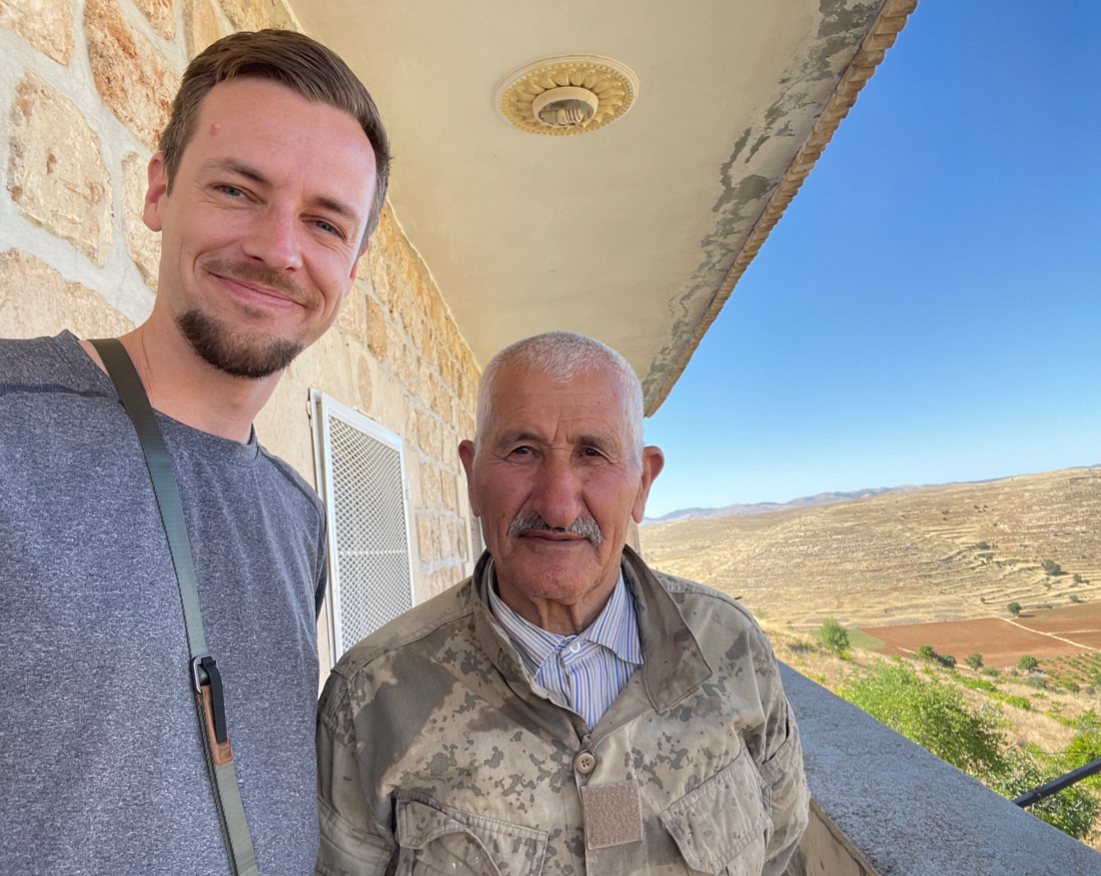
Middle East Minorities is researched, written and photographed by Ruben Vermeer, a Dutch writer and researcher with a long-standing fascination for the Middle East and the people who call it home. [Add a line here about your background and profession.]
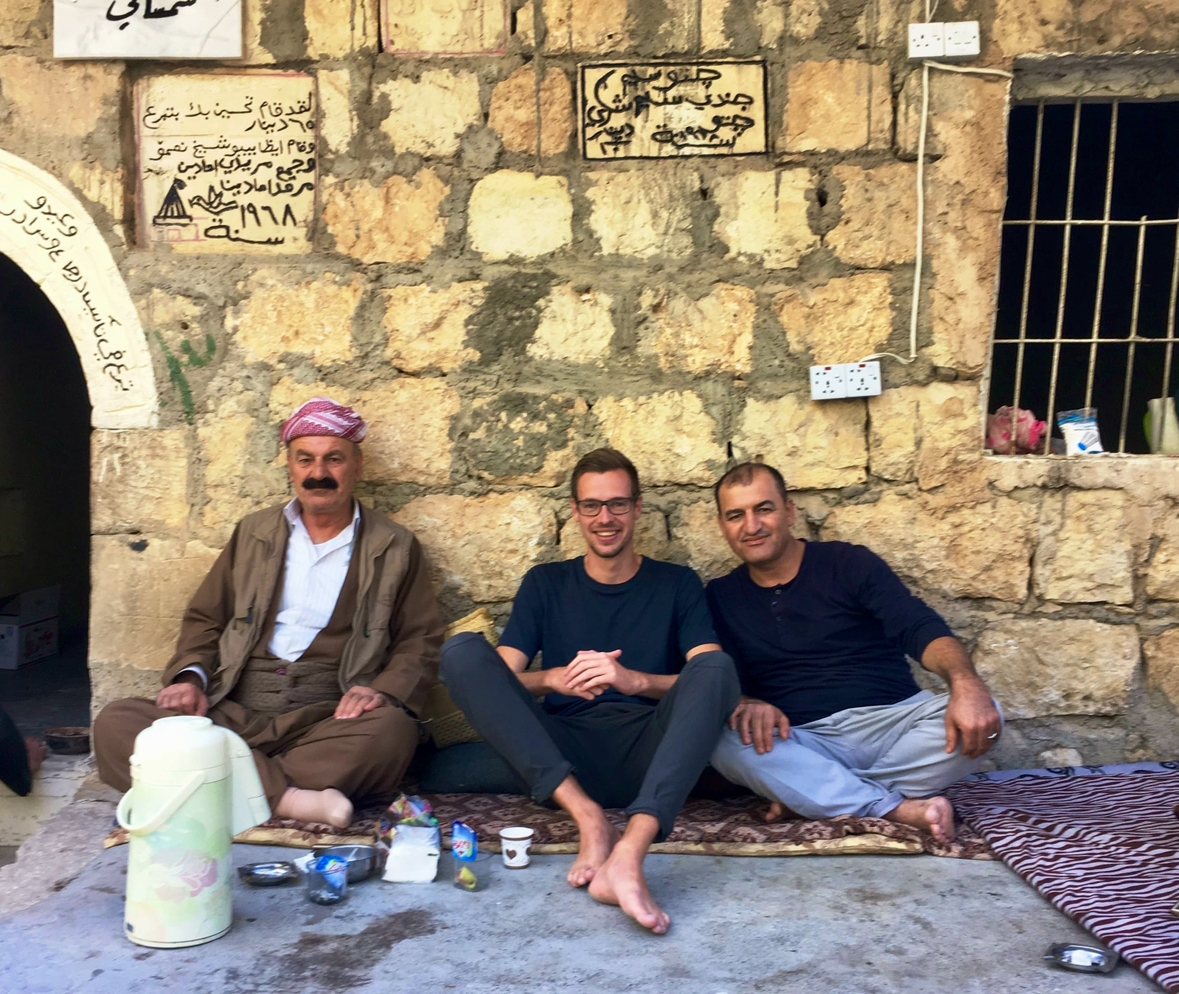
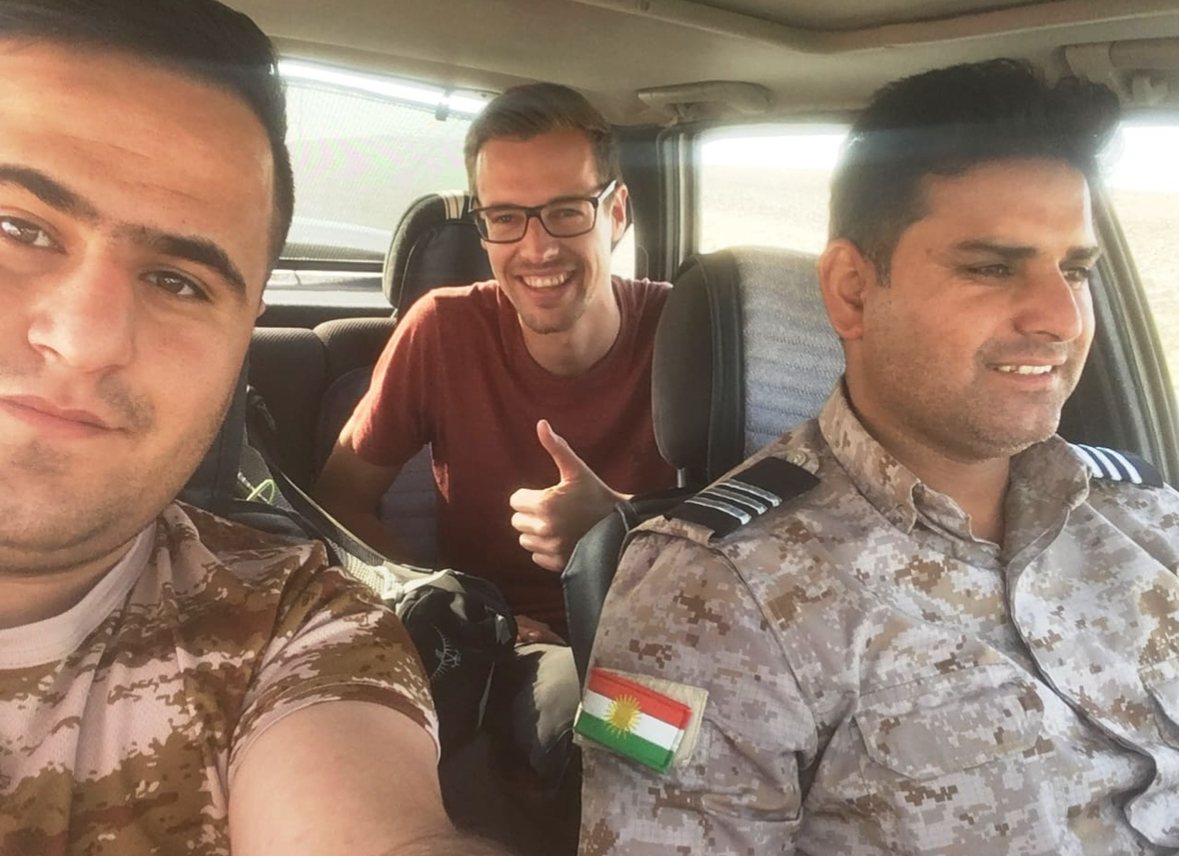
Over the past decade his travels have run from the Draa valley of Morocco to the monasteries of northern Iraq — sharing tea in the sanctuary at Lalish, sitting with monks above Alqosh, hitchhiking the roads of Iraqi Kurdistan, and being welcomed by families from Antakya to Amman. Many of the photographs in this atlas were taken on those journeys; the rest are carefully credited archival and Creative Commons images.
The texts synthesise academic scholarship, quality journalism and the communities' own publications — the full approach, and a bibliography, are on the Methodology & sources page.
Independence
Self-funded, unaffiliated, untracked
This atlas is independent and, so far, entirely self-funded. It has no political or religious affiliation, carries no advertising, and uses no cookies, analytics or trackers of any kind — reading it leaves no trail (see Privacy & imprint).
A partnership page for cultural institutions, universities and funders who want to support specific work — translations, field photography, oral-history recording, new community profiles — is in preparation. If that could be you, write to us.
Get involved
This atlas is a conversation
Corrections. If you belong to one of these communities and something on your page is wrong — a fact, a name, a framing — tell us. Corrections take priority and are logged on the methodology page.
A community we're missing? The region holds more peoples than any one atlas. If yours — or one you know — should be here, suggest it. Several candidates are already on the longlist.
Stories, photographs, memories. The most valuable material comes from inside: a grandmother's recipe, a festival photographed, a lullaby in an endangered language. If you have something the atlas should hold, we would love to see it.