Legend & origins
Kawa the blacksmith and the fires of Newroz
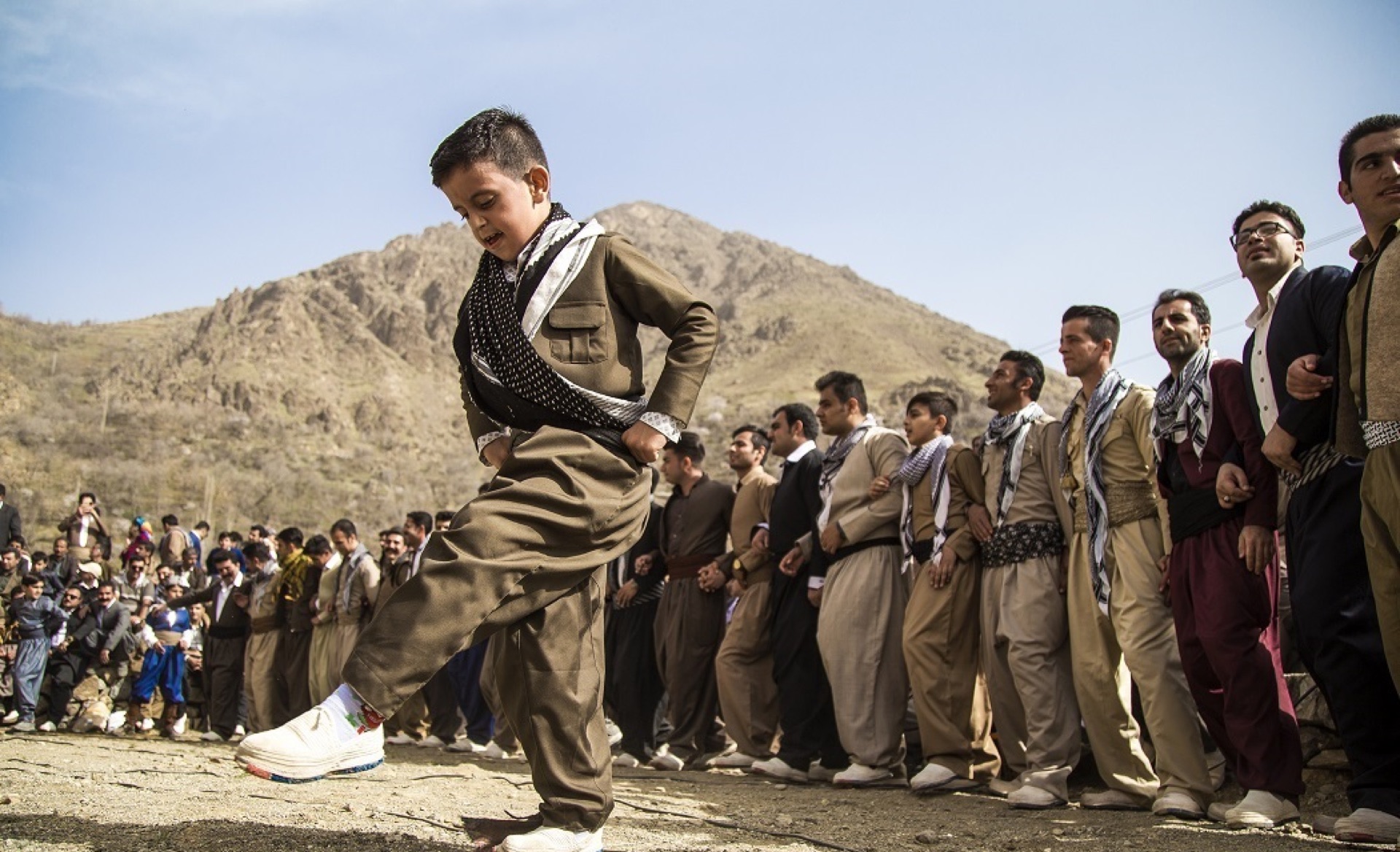
Kurdish legend begins with a tyrant and a fire. The serpent-shouldered king Zahhak fed on the brains of the young until Kawa, a blacksmith who had lost too many children, raised his hammer, struck the tyrant down, and lit a bonfire on the mountain to tell the world.
That fire returns every 21 March as Newroz, the Kurdish new year — hillsides ringed with flame, lines of dancers in sequinned dress, the one festival no border has managed to partition. The story does double duty: myth of origin and standing political metaphor, retold wherever Kurds feel a Zahhak near.
History's Kurds emerge as the mountain peoples of the Zagros — Xenophon fought their ancestors, the Carduchoi, in 401 BC — Islamised early, organised for centuries in emirates and tariqas rather than kingdoms. Saladin, history's most famous Kurd, built an empire for Islam rather than Kurdistan. When the Ottoman world collapsed, the 1920 Treaty of Sèvres sketched a Kurdish state; the 1923 Treaty of Lausanne erased it, dividing the mountains between four new capitals — the wound around which all modern Kurdish politics turns.
What sets them apart
A nation carried in language and mountain
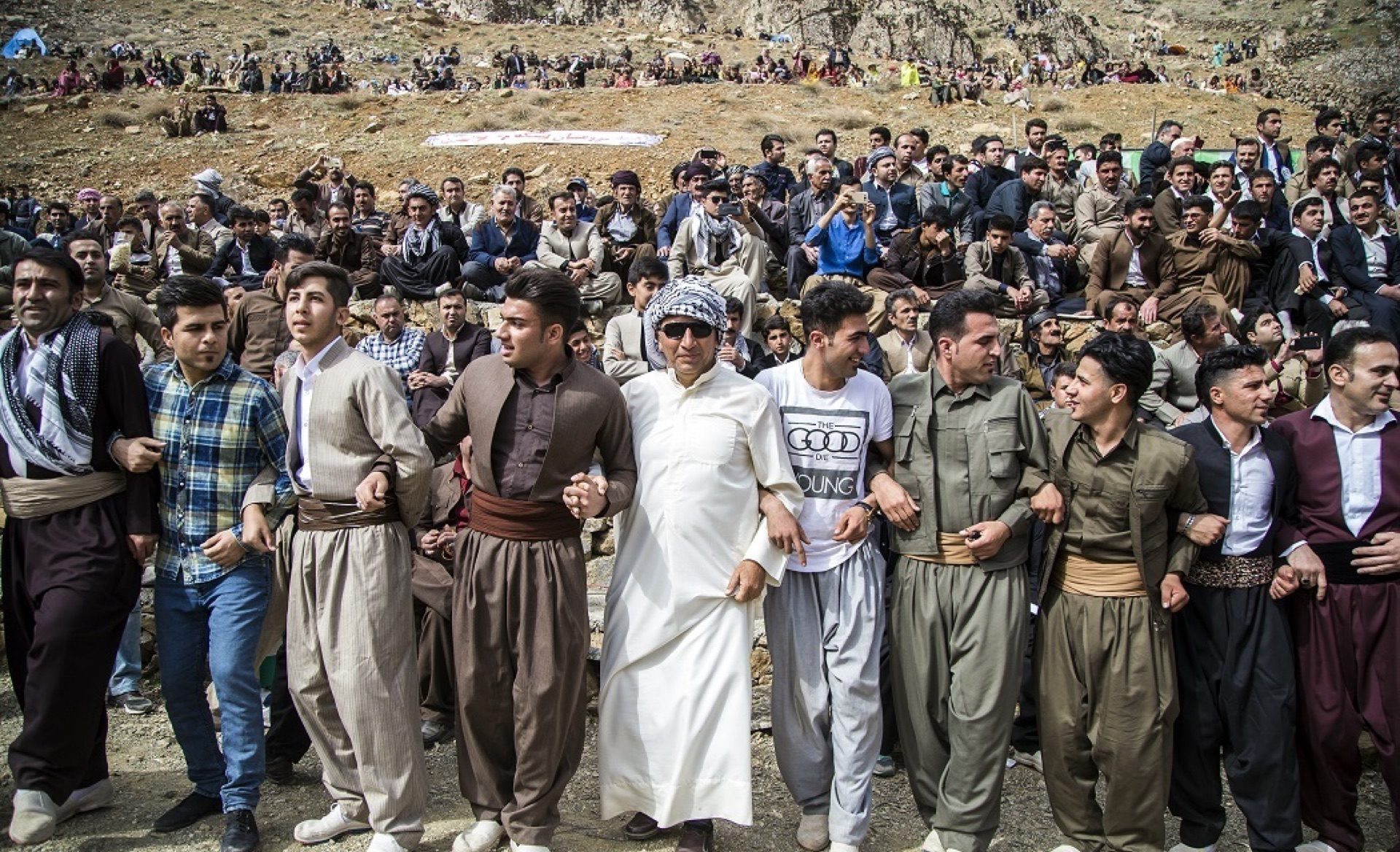
Without a state to standardise them, Kurdish identity lives in things borders cannot confiscate: dialects, dress, dance and the mountain itself.
Newroz
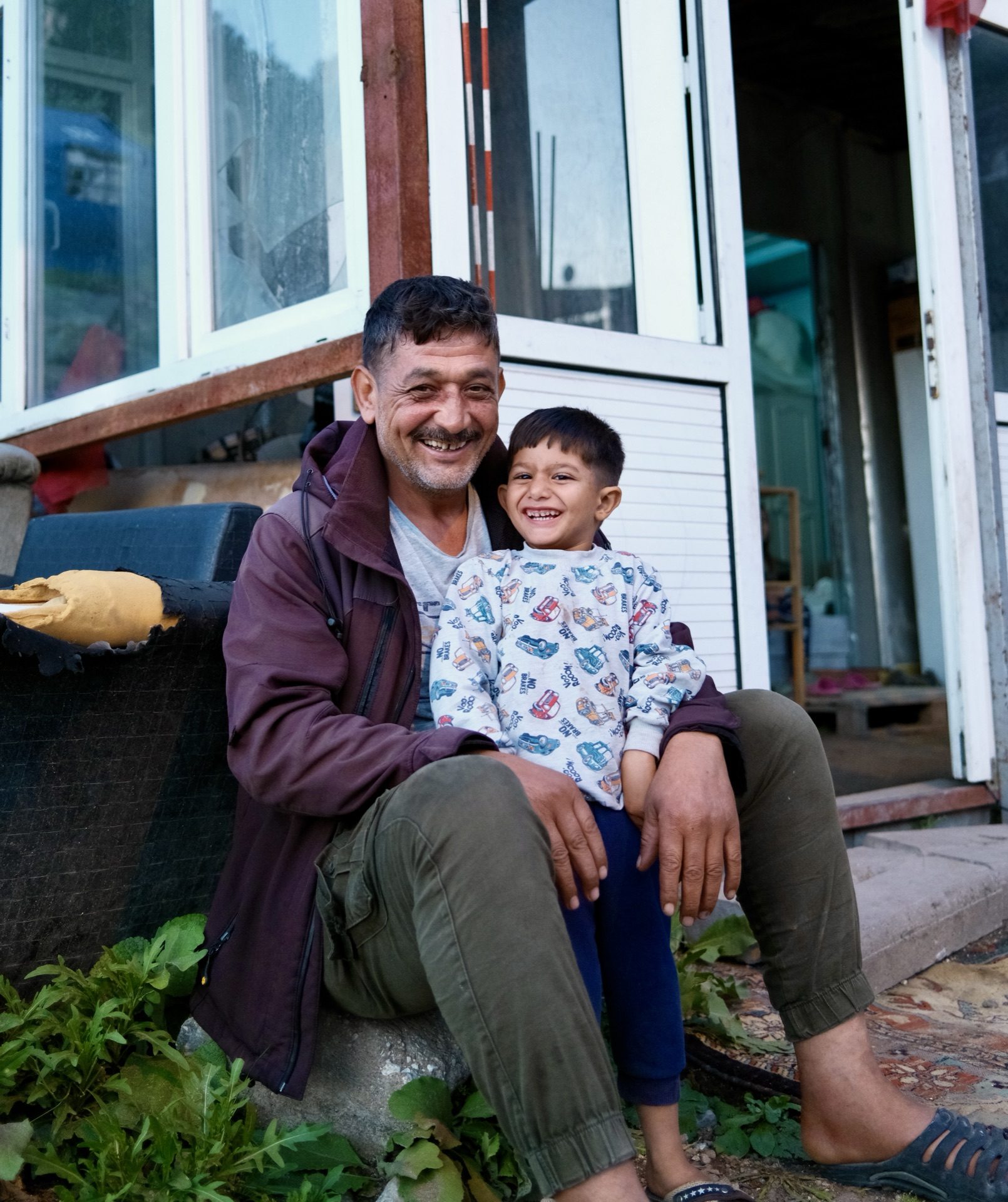
The fire festival of 21 March — banned for decades in Turkey and Syria, danced anyway — is at once new year, national day and act of defiance.
The govend line
Kurdish dancing is collective by design: shoulder to shoulder, little fingers linked, the line breathing as one body — a social contract you can watch.
A language in four scripts
Kurmanji in Latin letters, Sorani in modified Arabic script, with Zazaki and Gorani beside them — one language family administered by four hostile alphabets.
“No friends but the mountains”
The proverb encodes both geography and politics: the Zagros and Taurus as fortress, refuge, and the reason Kurdish culture survived every partition.
1923 — today
Four states, four struggles
Each fragment of Kurdistan wrote its own 20th century. Turkey, home to nearly half of all Kurds, banned the language from public life for decades and has fought the PKK since 1984 at a cost of some 40,000 lives. Iran crushed the republic of Mahabad in 1946 — eleven months, the only Kurdish state ever proclaimed — and represses its Kurdish provinces still; the 2022 death of Jina Mahsa Amini made a Kurdish slogan, Jin, Jiyan, Azadî — Woman, Life, Freedom — the cry of a national uprising.
Iraq's Kurds paid the heaviest price — 182,000 dead in Saddam's Anfal campaign, poison gas at Halabja in 1988 — and won the most: a constitutional autonomous region with its own parliament and peshmerga, though its 2017 independence referendum was answered with blockade. Syria's Kurds, long denied even citizenship, built the autonomous administration that broke ISIS at Kobani in 2015 — and now negotiate its survival with Damascus and Ankara alike.
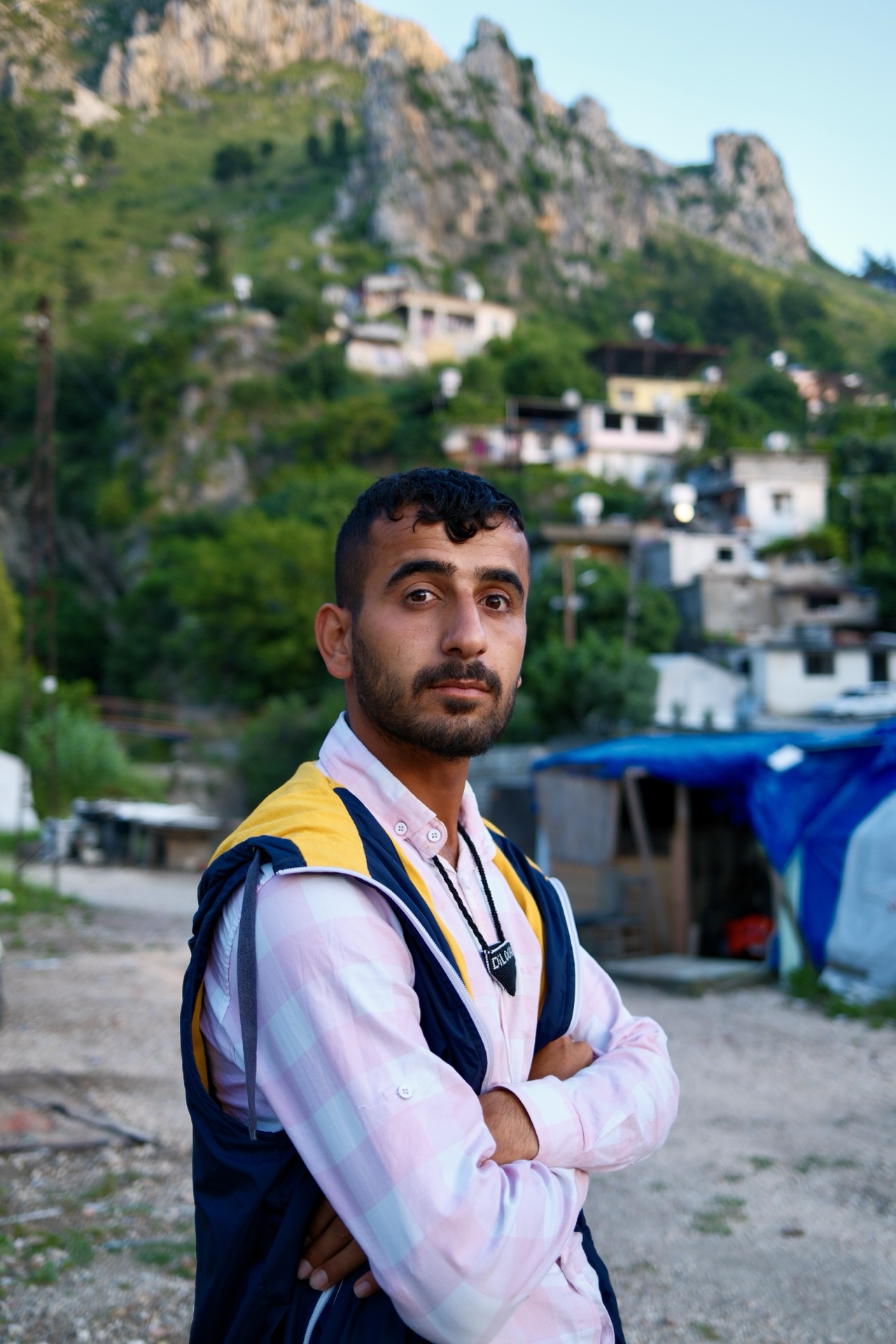
Jin, Jiyan, Azadî — Woman, Life, Freedom.Kurdish slogan carried from the mountains to the streets of Iran, 2022
Geography
Where they live
The Kurdish arc across four states, with the great urban diaspora of western Turkey. Zones are indicative.
Through time
Timeline
- 401 BCXenophon meets the Carduchoi. Greek mercenaries fight their way through the mountain ancestors of the Kurds.
- 1171Saladin. The Kurdish general founds the Ayyubid empire — glory lent to Islam rather than Kurdistan.
- 1920–23Sèvres promises, Lausanne erases. A sketched Kurdish state vanishes; the mountains are divided between four capitals.
- 1946The Mahabad Republic. Eleven months of Kurdish statehood in Iran, crushed; its flag never forgotten.
- 1988Anfal and Halabja. Saddam's campaigns kill up to 182,000; poison gas kills 5,000 in a single morning.
- 1991–2005Autonomy in Iraq. The no-fly zone becomes a region; Iraq's constitution makes Kurdish an official language of the state.
- 2014–19The war against ISIS. Peshmerga and YPG/SDF carry the ground war; Kobani becomes a Kurdish Stalingrad.
- TodayThe question remains open. The largest nation without a state negotiates, fights and votes in four arenas at once.
One people, four columns
Estimated population
Mid-range scholarly estimates; no state in the region counts ethnicity. Totals of 30–40 million are commonly cited. The European diaspora is led by Germany (≈1 million).
View as table
| Where | Estimate |
|---|---|
| Turkey | ≈15 million |
| Iran | ≈9 million |
| Iraq | ≈6.5 million |
| Syria | ≈2.5 million |
| Diaspora | ≈1.5 million |
What they gave the region
The region's loudest heartbeat
Kurdish culture radiates far past its mountains. Newroz fires now light the whole region's spring; the dengbêj — bards who sing history unaccompanied for hours — preserve an epic tradition UNESCO ranks with the world's great oral literatures; and Kurdish cinema, from Yılmaz Güney's Palme d'Or to Bahman Ghobadi's borderland films, gave the Middle East some of its most searing screen art. Kurdish weaving, dance lines and the zurna-and-dahol wedding sound are shared property from Anatolia to the Gulf.
Modern Iraq runs on Kurdish counterweight: Baghdad's presidents, the mountain tourism of the north and much of the state's diplomacy have been Kurdish contributions to a country that once gassed them.
Looking forward
Four arenas, one question
The coming decade holds four separate Kurdish futures: Turkey's urbanised millions weigh a fragile new peace process against a century of denial; Iraq's autonomous region consolidates statehood in all but name while fighting its own dynastic politics; Iran's Kurds carry the Woman-Life-Freedom generation's expectations; Syria's autonomous administration negotiates survival with Damascus and Ankara at once.
No other stateless people enters the century with such assets — territory, institutions, a global diaspora, a language now taught in universities — or such exposure. The Kurdish question is no longer whether they will be heard, but on whose terms.
The emblem
Roj — the sun of 21 rays
The blazing sun with twenty-one rays — Roj — centres the Kurdish flag flown in Iraq's Kurdistan Region. Twenty-one is Newroz's date and an old holy number of the mountains; the sun is Kawa's fire, still burning.
Go deeper