Legend & origins
The hidden Imam who built a caliphate
When the sixth Shia Imam died in 765, most followers turned to one son's line — the future Twelvers — while others held to the eldest, Ismail. From that quiet succession dispute came the most intellectually adventurous, politically explosive branch of Shia Islam.
From hiding in the Syrian town of Salamiyah, the Ismaili imams ran a missionary network that won an empire: in 909 their Fatimid caliphate rose in North Africa, and by 969 it had founded Cairo and built al-Azhar — the Ismaili university that is now, ironically, Sunni Islam's greatest seat. Fatimid Cairo was the region's superpower for two centuries: a culture of philosopher-missionaries who read Plato beside the Qur'an and held that scripture has an outer shell (zahir) and an inner truth (batin) that only the Imam's guidance unlocks.
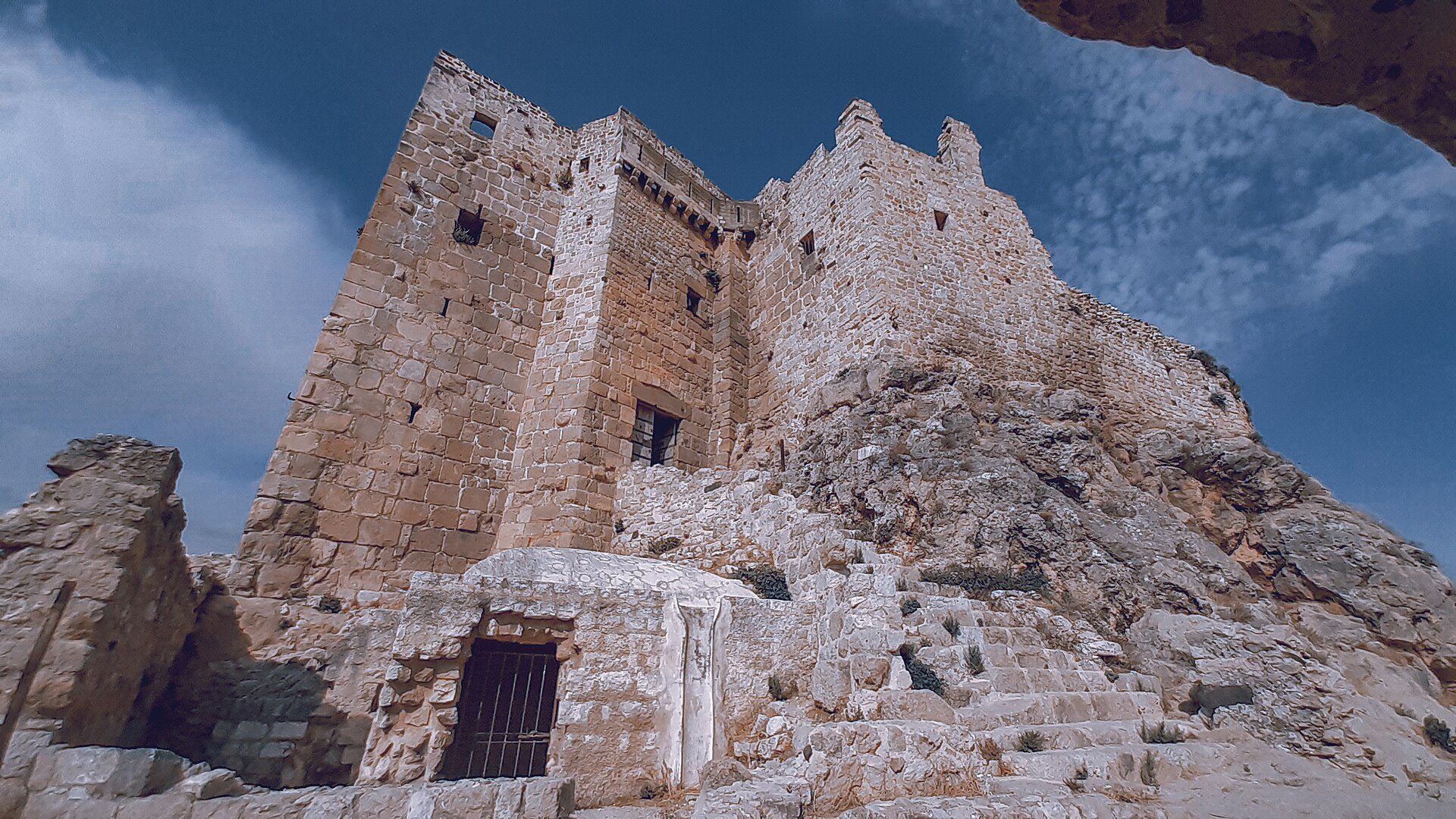
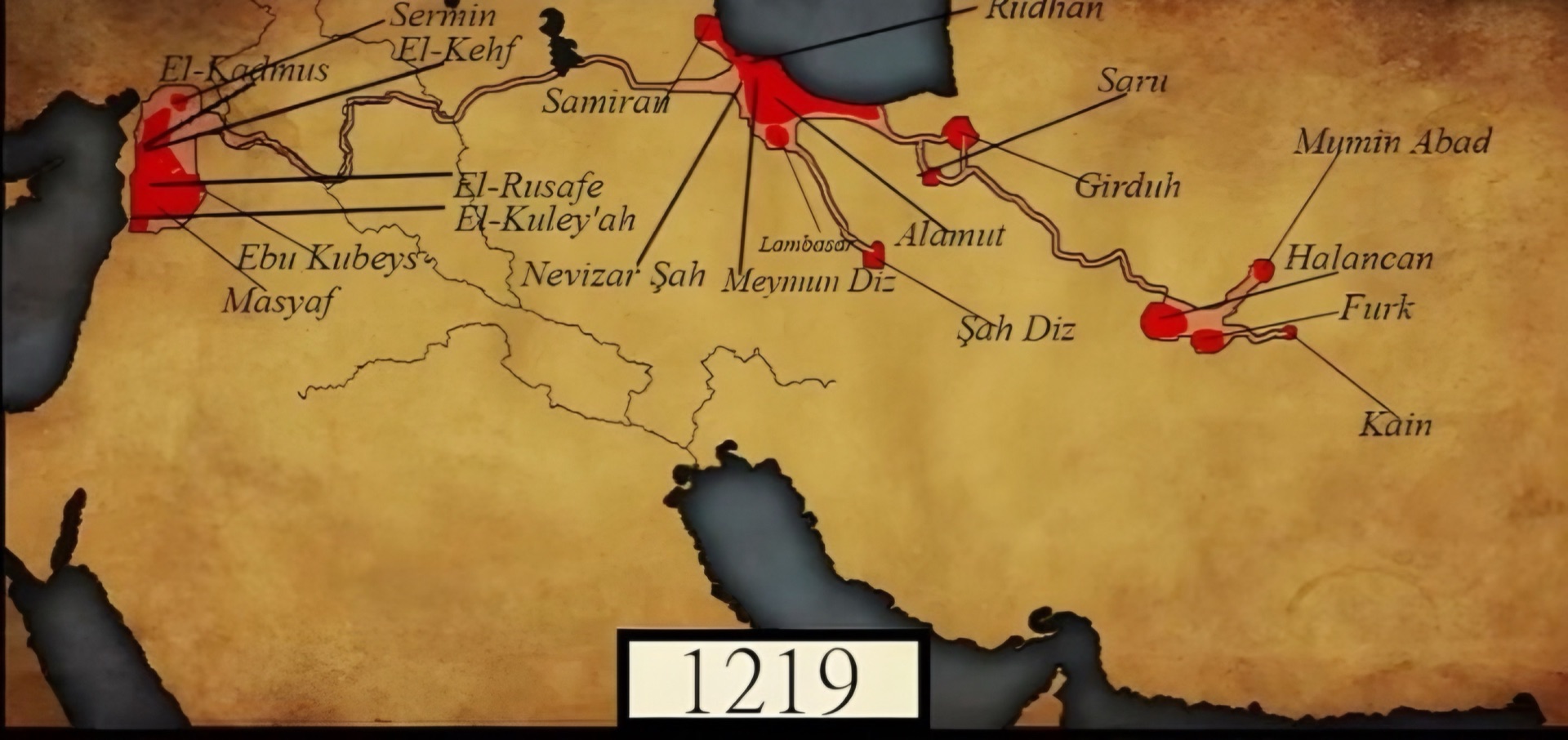
When the Fatimids split in 1094, the loyalists of the heir Nizar took to the mountains. From Alamut in Iran and Masyaf in Syria, the Nizari state — a scattered archipelago of castles — held off Seljuks, Crusaders and Saladin himself for 150 years with a weapon that terrified contemporaries into legend: the precisely targeted killing of hostile leaders by devoted fida'is. Marco Polo's hashish tales gave them their slander-name — Assassins — and the world a word. The Mongols burned Alamut in 1256; the imams went back into hiding; the community went back to Salamiyah, Najran and the Persian villages, and waited.
What sets them apart
Esotericism with an address
Ismailism's distinction is the living Imam: revelation, they hold, needs a present interpreter — a principle that made the community both intellectually daring and permanently identifiable.
Zahir and batin
Every text and ritual has an outer form and inner meaning; the Imam of the age unlocks the inner. This is why Ismaili thought absorbed philosophy — and why literalists called it heresy.
The living Imam
Nizaris follow the Aga Khan — the 50th hereditary Imam, by their count, from Ali — a lineage that has turned, in the modern era, into a global development network of hospitals, schools and universities.
The jamatkhana
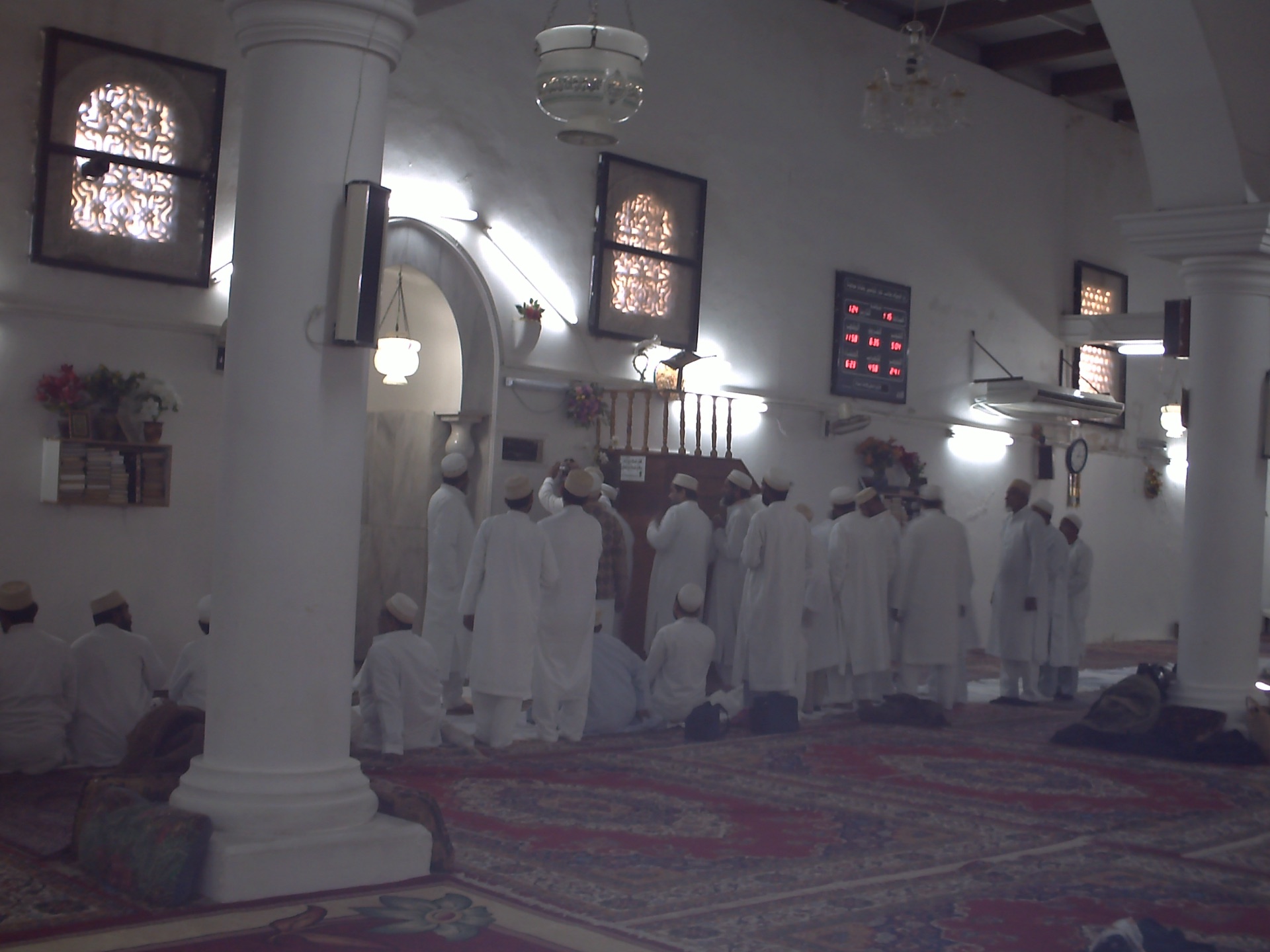
Worship happens in the community hall, not the mosque — prayer, recitation of ginans and qasidas, and the community's business, behind doors that history taught to stay discreet.
Two branches, two worlds
Nizaris (the majority, led by the Aga Khan) and Tayyibis — whose Sulaymani branch centres on Saudi Arabia's Najran, and whose Dawoodi Bohras thrive in India — descend from the same Cairo split of 1094.
Today
Salamiyah, Najran, and the quiet networks
Syria's Salamiyah — perhaps 200,000 Ismailis before the war — is the community's regional heart: a town of poets and pharmacists with a self-deprecating joke for every century of persecution. The civil war placed it between regime, ISIS and drought; thousands of its young left for the Gulf and Europe, and the 2024 change of power leaves its future, like every Syrian minority's, unwritten.
Saudi Arabia's Najran holds the other concentration: several hundred thousand Sulaymani Tayyibis, indigenous to the Yemeni border highlands, whose relations with the Wahhabi state hit bottom in the confrontations of 2000 and remain a file of documented discrimination. Iran keeps scattered Nizari villages in Khorasan; the Gulf cities host working communities under the Aga Khan's global institutions. Small in the region that made them, the Ismailis are the atlas's great exporters: fifteen million worldwide, running universities and hospital chains — the mountain castle rebuilt as a development agency.

Paradise and hell are states of the soul — the Imam's task is to open the eye that sees which is which.Paraphrase of Nizari esoteric teaching
Geography
Where they live
Ismaili concentrations of the region — Salamiyah and the castles, Najran's highlands, Khorasan's villages.
Through time
Timeline
- 765The succession of Ismail. The Shia line divides; the Ismaili da'wa begins its underground centuries.
- 909–969The Fatimid ascent. An Ismaili caliphate rises in North Africa, founds Cairo and builds al-Azhar.
- 1094Nizar's cause. The succession splits Cairo; Nizaris turn to Persia and Syria's mountains.
- 1090–1256Alamut and Masyaf. The Nizari castle state defies Seljuks, Crusaders and Saladin; the Mongols end it.
- 1840sSalamiyah refounded. Ottoman grants let Ismailis rebuild their ancestral Syrian town from ruins.
- 1841–48The Aga Khan emerges. The 46th Imam relocates from Persia to India; the modern, global imamate takes shape.
- 2000Najran's confrontation. Saudi forces storm Sulaymani centres; the community's status remains restricted.
- TodayFifteen million, worldwide. The region keeps the shrines and the memory; the community's weight now lies abroad.
The fragments and the network
Estimated population
Regional figures are rough scholarly estimates; Najran's is politically sensitive and contested. The worldwide Nizari community under the Aga Khan spans 25+ countries, centred on South and Central Asia.
View as table
| Where | Estimate |
|---|---|
| Saudi Arabia (Najran) | ≈500,000 |
| Syria | ≈200,000 |
| Iran | ≈50,000 |
| Gulf states | ≈50,000 |
| Worldwide community | ≈14 million |
What they gave the region
Cairo, and the architecture of intellect
The Ismaili gift list opens with a city: Cairo, founded 969, and al-Azhar — now Sunni Islam's greatest university — built by Ismaili caliphs. Fatimid art set standards — rock-crystal, lustre ceramics, woodwork — that museums treasure as the Islamic golden age's finest; the Brethren of Purity's encyclopaedia shaped philosophy from Baghdad to Andalusia. In the modern era the Aga Khan Development Network runs hospitals, universities and the Aga Khan Award for Architecture — which restored historic Cairo's own monuments, an Ismaili gift returned after a millennium.
Even the word 'assassin', for better or worse, is theirs — testimony to how thoroughly a small community once occupied the world's imagination.
Looking forward
The imamate's regional homecoming
Globally the Nizari community is the best-organised in this atlas: a living Imam, professional institutions, and schools from Dushanbe to Dubai. The regional question is narrower — whether Salamiyah's poets and pharmacists find a secure place in post-Assad Syria, and whether Najran's Sulaymanis gain ordinary citizenship in a reforming Saudi Arabia. Both communities are watching the new order for signs.
The 2025 succession of Aga Khan V put a new generation at the head of the lineage; his development network's quiet return to Syrian heritage projects may signal the imamate's next act: rebuilding, once again, in the region that first imagined it.
The emblem
The octagram
The eight-pointed star of two rotated squares — rub el hizb, beloved of Fatimid ornament — still frames Cairo's oldest gates, built by Ismaili architects. Eight points for a faith that read geometry as a language of the hidden order.
Go deeper