Legend & origins
The secret of the mountain
Alawite tradition begins in 9th-century Iraq, where Ibn Nusayr, a companion of the Shia Imams, taught an inner reading of Islam: God has shown Himself to humanity in a succession of forms, and the highest of these is Ali — the visible face of the hidden divine.
The doctrine that grew around this teaching — souls migrating through bodies toward the light, a trinity of Meaning, Name and Gate, festivals that keep Persian Nowruz and Christian saints' days alongside the Islamic calendar — was carried from Aleppo into the coastal mountains by the 11th century, and sealed there. Religion became the property of initiated sheikhs; the uninitiated majority, including all women, were taught the outward forms only. Secrecy was doctrine, and soon it was also survival: the 14th-century jurist Ibn Taymiyya's fatwas declared the Nusayris worse than infidels, licensing centuries of massacre.
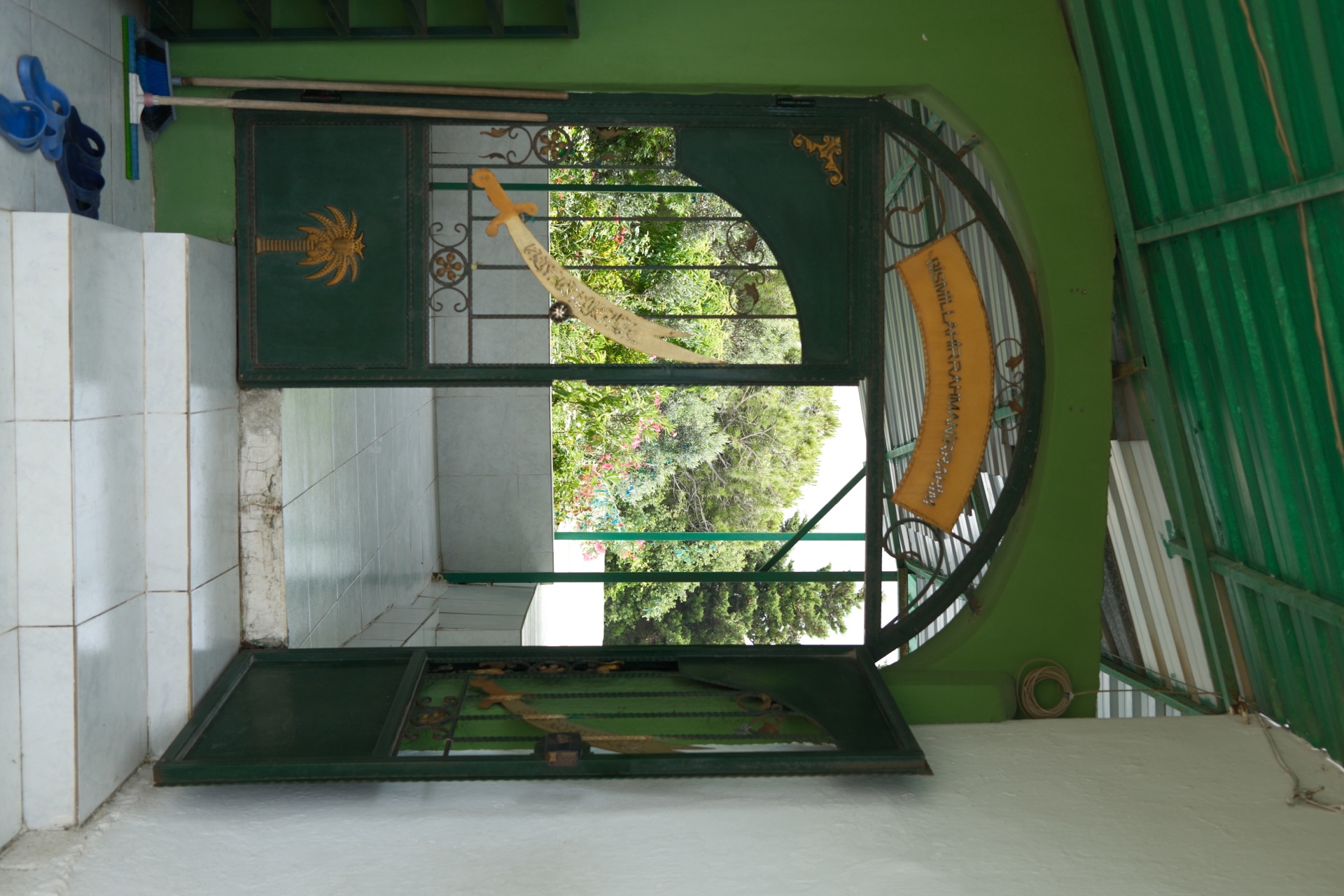
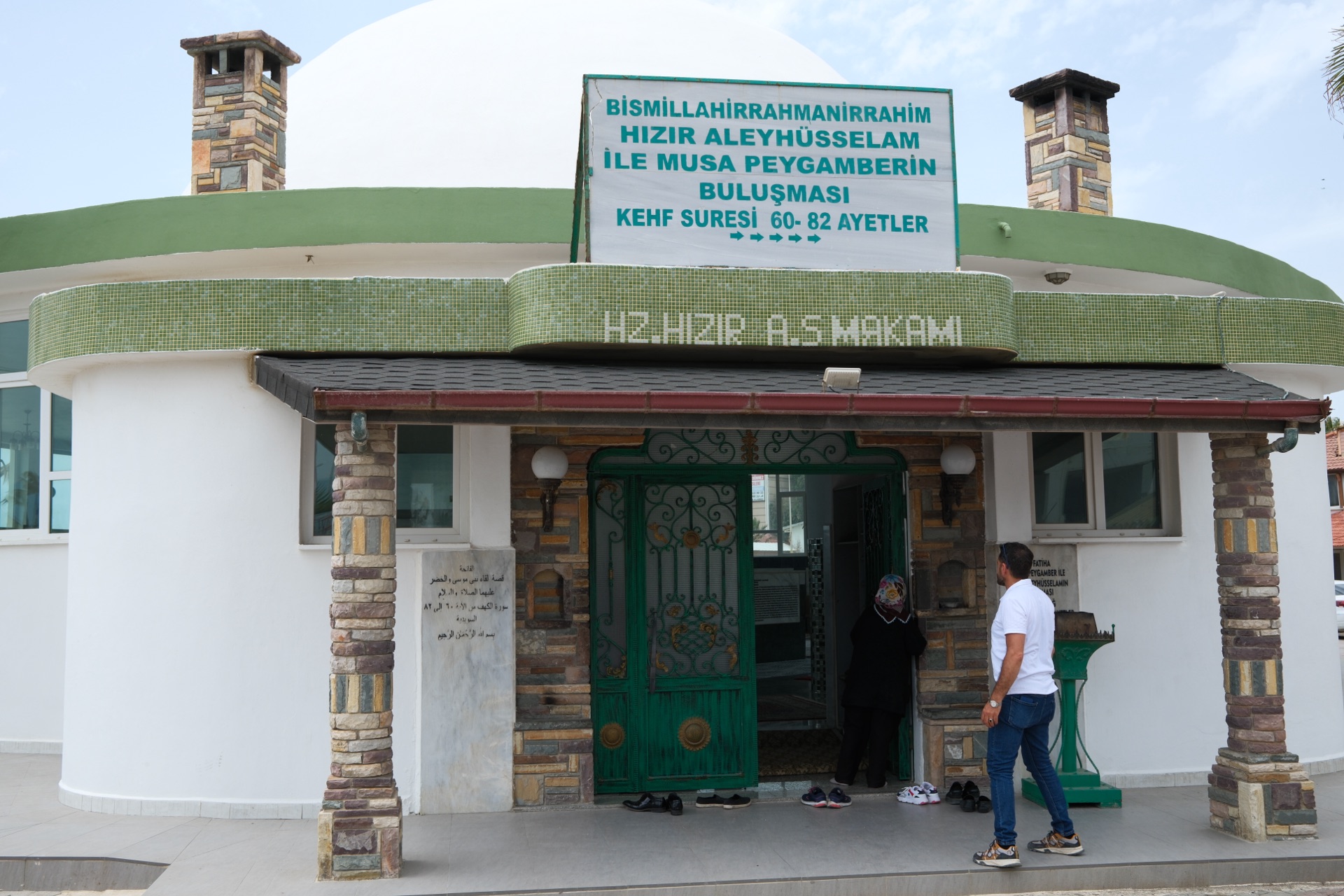
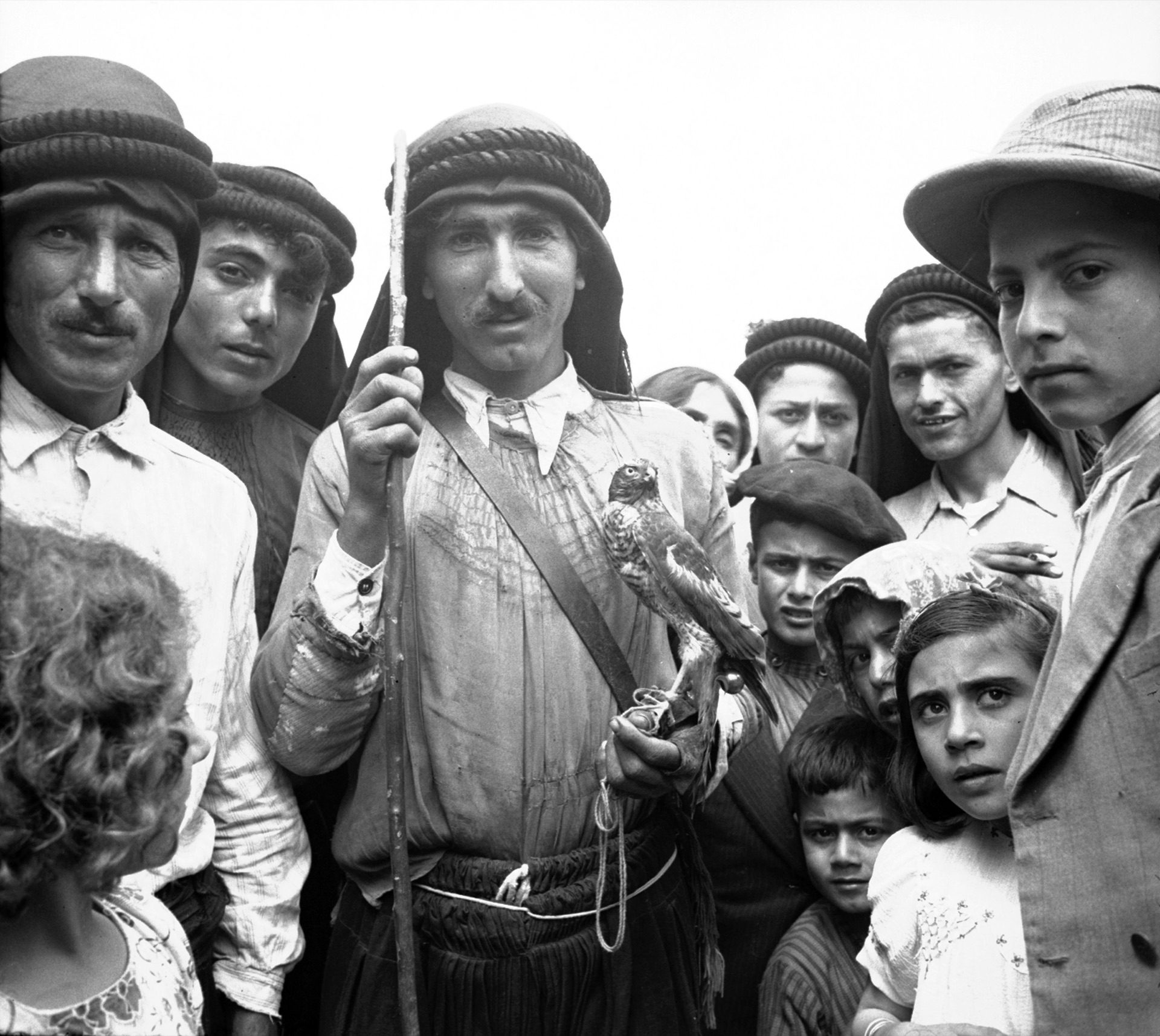
So the Alawites became a mountain people: terraced tobacco fields, hereditary holy families, white-domed ziyaras on hilltops where prayers are made to Khidr, the deathless one. French colonial officers, hunting for allies, gave the despised community two gifts with long consequences: a briefly autonomous Alawite State (1920–36), and open recruitment into the colonial troops — the path by which, one generation later, Alawite officers would come to own the Syrian state.
What sets them apart
A faith kept behind two doors
Alawism divides the world into initiated and uninitiated, and its practice reflects a millennium of concealment — a religion whose deepest rooms most of its own people never enter.
Initiation and the sheikhs
Religious knowledge passes only to men of sheikhly families through staged initiation; everyone else keeps the festivals and the saints. There are no mosques in the mountain villages — and no obligation of public worship at all.
The ziyara
White-domed hilltop shrines — to Khidr above all — are the real sanctuaries: vows, sacrifices, cloth tied at the window, a sacred geography instead of a liturgy.
A calendar of everyone's feasts
Alawites keep Eid al-Adha and Ghadir, but also Nowruz, Christmas and Epiphany — traces of the doctrine that the divine light has walked through every tradition.
Taqiyya as inheritance
Dissimulation, sanctioned to survive persecution, shaped the culture: reticence about doctrine even among Alawites themselves, and a deep reflex of communal solidarity before outsiders.
1970 — today
The state as shield, the state as trap
Hafez al-Assad's seizure of power in 1970 turned the mountain minority into the spine of the regime: the officer corps, the security services, the presidency itself. The Assads — Hafez, then his son Bashar — remain the most famous Alawites ever to live, and for half a century the family's fate and the community's were deliberately entangled. For ordinary Alawites the bargain was ambiguous — visibility without wealth, conscription without choice. The civil war after 2011 hardened it into a death-pact: regime service made every Alawite village a recruiting ground and every Alawite son a target, and the community buried a generation.
The fall of the Assads in December 2024 stripped the shield away overnight. Massacres of Alawite civilians on the coast in March 2025 — the worst sectarian killing of the post-war period — confirmed the community's darkest expectations; tens of thousands fled toward Lebanon or the mountains. Across the border in Hatay, Adana and Mersin, Turkey's Arab Alawites (long mislabelled “Arab Alevis”) watch with the anxiety of kin: the same faith, the same saints — and, for the first time in fifty years, the same exposure.
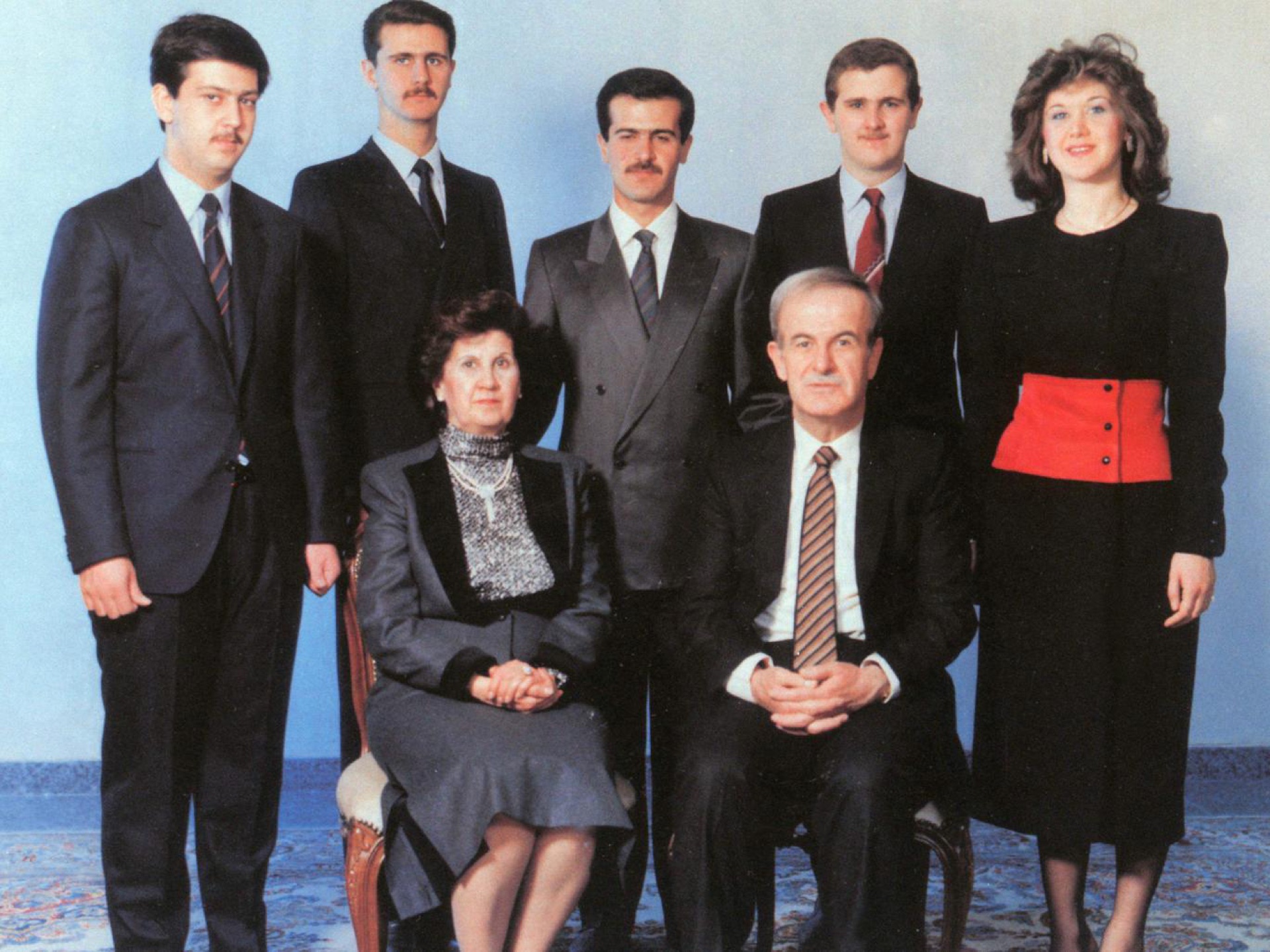
For centuries the mountain protected us from the state. Then we became the state — and lost the mountain's protection.On the Alawite bargain with the Assads
Geography
Where they live
Alawite concentrations along the eastern Mediterranean seaboard — one faith across three states.
Through time
Timeline
- 9th–10th c.Ibn Nusayr and al-Khasibi. The doctrine forms in Iraq and finds its base in Hamdanid Aleppo.
- 11th–12th c.Into the mountains. Persecution pushes the community into the coastal range that will bear its name.
- 1305Ibn Taymiyya's fatwas. The community is declared beyond the pale; massacres follow for centuries.
- 1920–36The Alawite State. France carves an autonomous territory around Latakia — and recruits the mountain into its levies.
- 1970Hafez al-Assad takes power. An Alawite officer becomes president; the community becomes the regime's spine.
- 2011–24The war. Alawite villages empty their sons into the army; the community is bound to the regime's fate.
- Dec 2024The fall. The Assads flee; the shield is gone.
- Mar 2025The coast massacres. Sectarian killings confirm the community's fears; a new era of exposure begins.
One faith, three states
Estimated population
Syria's figure is the standard pre-war estimate (~11% of the population); war losses and 2024–25 flight make the present number genuinely unknown. Turkish figures span 350,000–1 million.
View as table
| Where | Estimate |
|---|---|
| Syria | ≈2.5 million |
| Türkiye (Hatay, Adana, Mersin) | ≈500,000 |
| Lebanon | ≈100,000 |
| Diaspora | ≈150,000 |
What they gave the region
Poets of the coast
The Alawite mountain fed Syria's modern imagination out of all proportion to its size: Adonis — Ali Ahmad Said, the Arab world's most celebrated living poet — and the great modernist Badawi al-Jabal both came from its villages, carrying the mountain's habit of layered, esoteric meaning into Arabic letters. The coast's tobacco terraces, apple orchards and shrine festivals — Khidr's feasts shared with Christian neighbours — shaped a distinctly Levantine culture of the in-between.
The community's syncretic calendar is itself a regional artefact: a living record of every tradition — Persian, Christian, Shia — that ever crossed the coastal range.
Looking forward
After the shield
No community in this atlas faces a starker near-term test. Post-Assad Syria will either build guarantees that make Alawites ordinary citizens — army integration, accountability for the coast massacres on all sides, local policing of the mountain — or drive the community toward the old refuges: the range itself, Lebanon, and emigration. Hatay's Arab Alawites, with Turkish citizenship and European networks, may become the community's stable anchor.
History offers one consolation: the mountain has absorbed catastrophe before, and the faith's quiet, initiate-borne structure was built for exactly such weather.
The emblem
The crescent of the coast
Alawism guards its symbols as it guards its doctrine — there is no public heraldry. The crescent stands here for the community's outward Islamic face; what lies within it, initiates alone are taught.