Legend & origins
Four ancestors and a hidden book
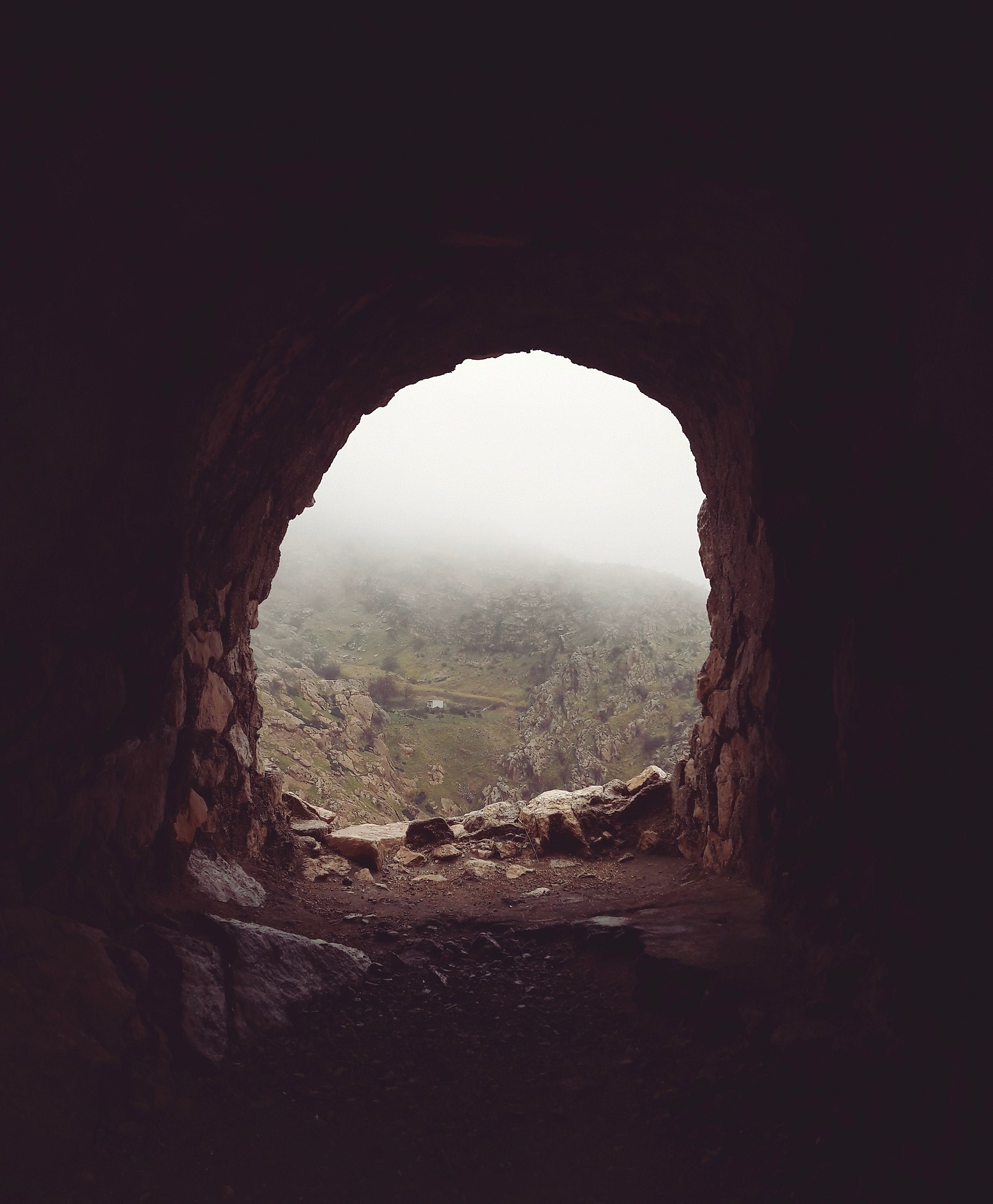
Shabak tradition traces the community to wandering dervishes who settled the plain east of Mosul five centuries ago — heirs, some say, of the Safavid order's lost followers, stranded when empires redrew their borders.
Their sacred book, the Buyruk — “the Command” — is written in Turkoman and kept by hereditary religious families; most Shabak have historically encountered it only through their pirs, spiritual guides who mediate between the faithful and the divine. The structure echoes Alevi and Yarsan practice far more than mosque Islam: religion as initiation and lineage rather than public congregation.
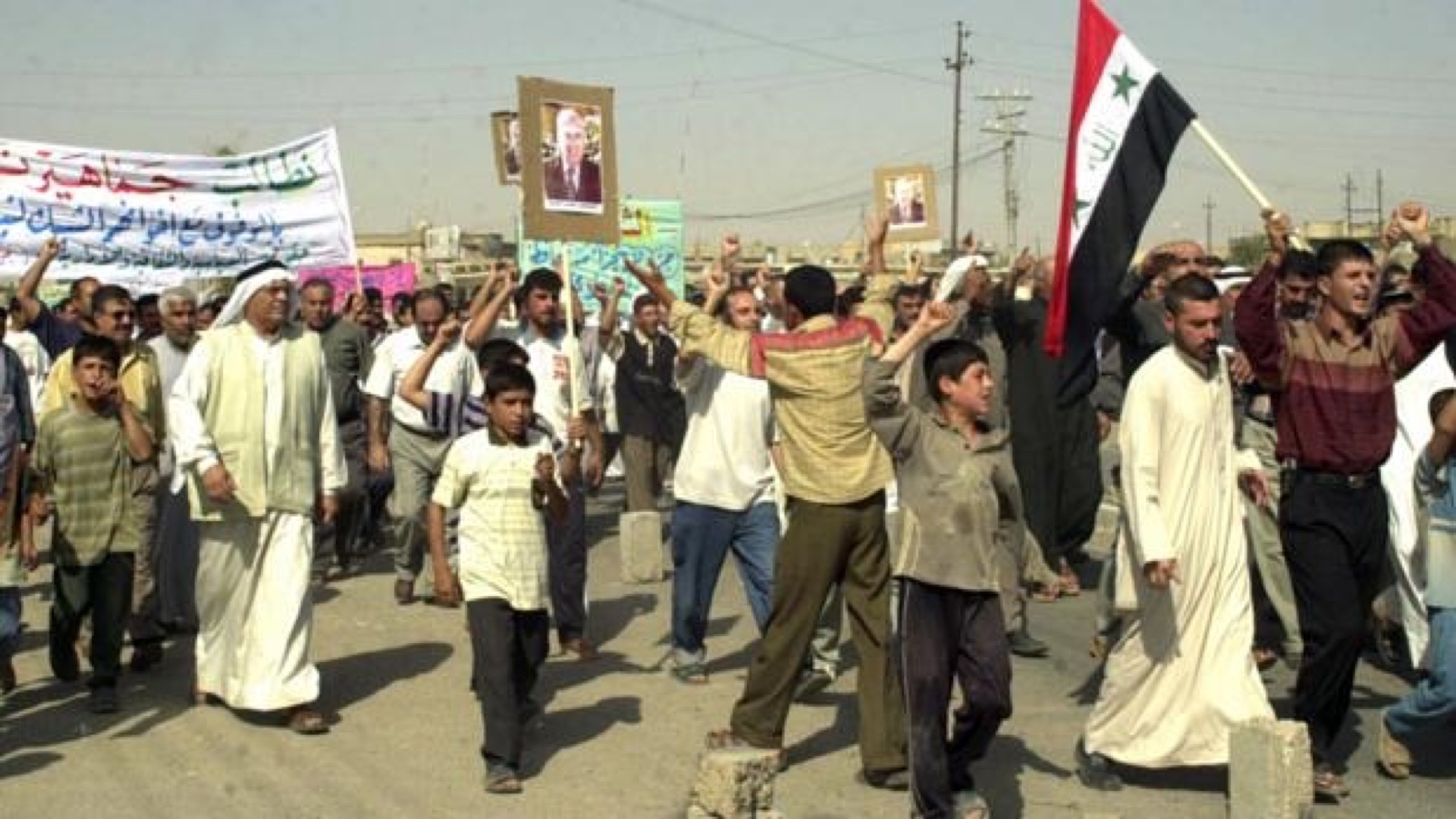
Who the Shabak “really” are has been contested for a century — Kurdish tribes, Turkoman settlers, a people of their own. Their language, Shabaki, belongs to the Zaza–Gorani group; their poetry borrows Turkish; their shrines share saints with their Yazidi and Christian neighbours. Successive governments tried to settle the question by force: Saddam's censuses obliged them to register as Arabs, deporting thousands who refused; after 2003, Kurdish and Arab politics fought over them again.
What sets them apart
A faith that fits no census box
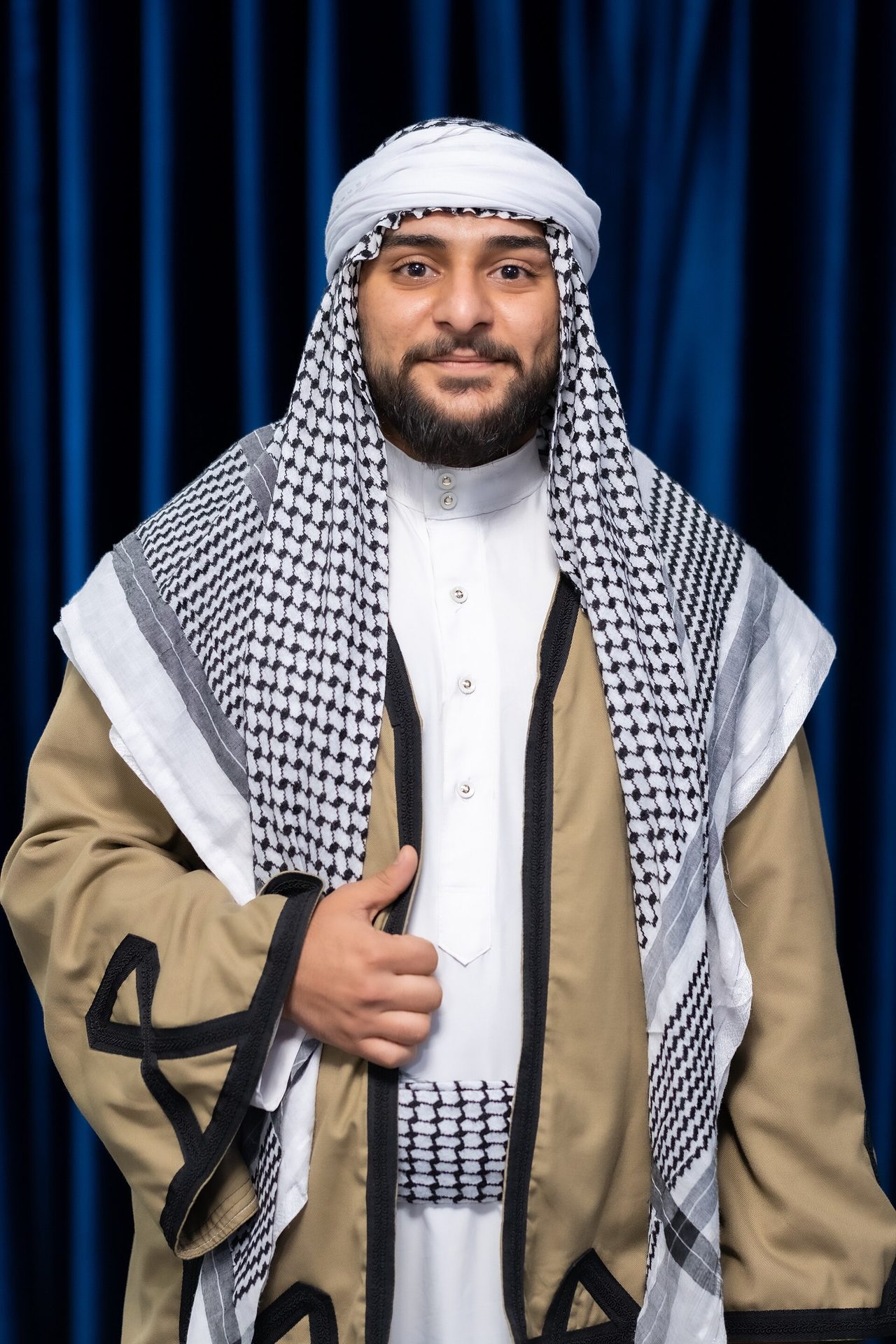
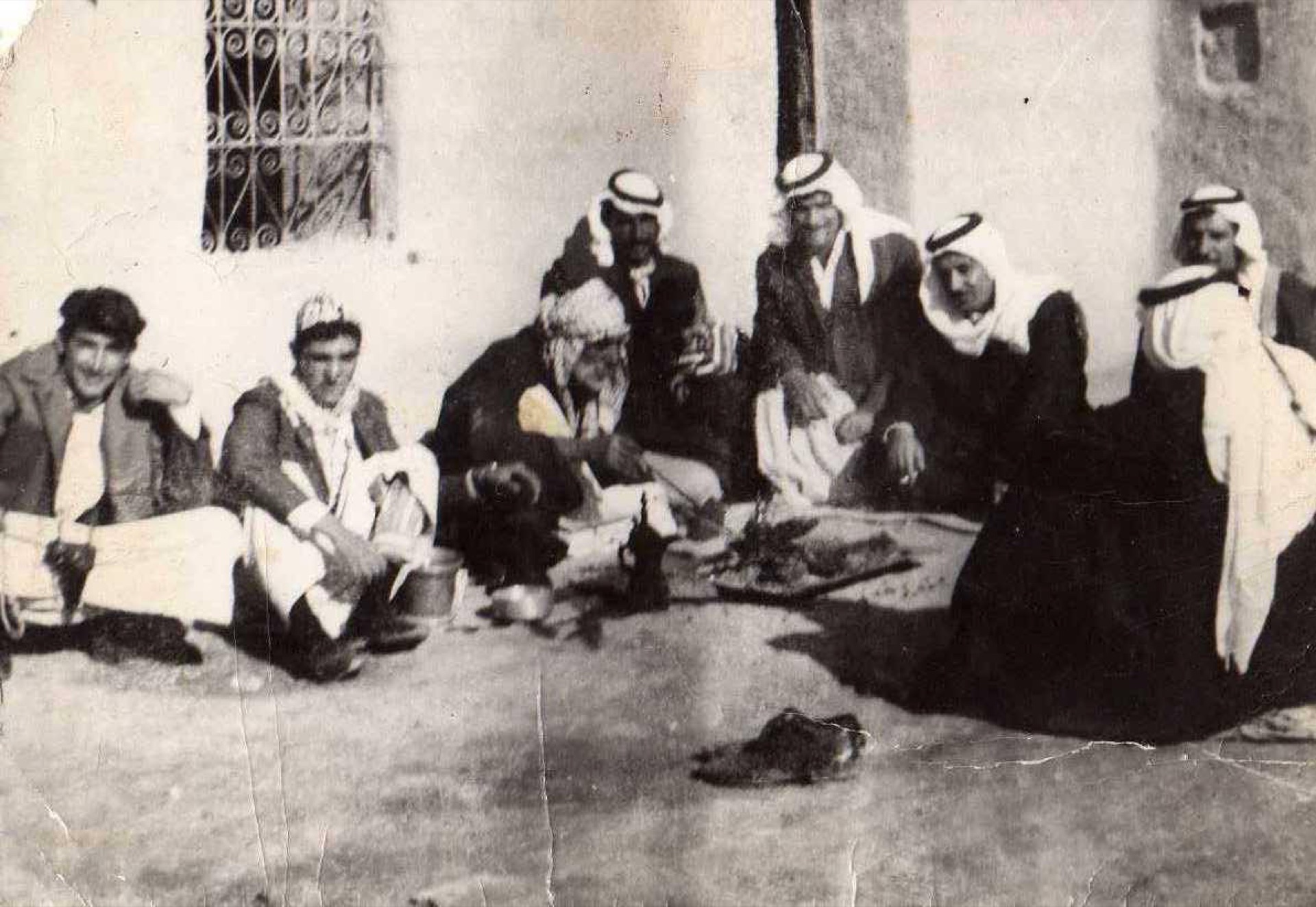
The Shabak are what happens when a frontier keeps its own counsel: a self-contained religious world on a plain everyone else claimed.
The pir and the Buyruk
Every Shabak family is bound to a hereditary spiritual guide; the Buyruk's teachings pass through these lineages, not through public preaching.
Confession of the laity
Communal gatherings include the open confession of faults before the pir — a rite with no parallel in surrounding Islam, closer to Alevi practice in Anatolia.
Shared shrines
Shabak villagers keep vows at Yazidi and Christian sanctuaries as readily as their own; the plain's holy places have always been common property.
Pilgrimage of the plain
Alongside Kerbala and Najaf — most Shabak lean Shia — local pilgrimage circuits knit the sixty villages together in ways state borders never did.
2003 — today
The most bombed minority nobody names
Visibility came late and cruelly. After 2003, Shabak — Shia-leaning, non-Arab, unarmed — became targets for al-Qaeda in Mosul: assassinations, expulsion leaflets, and in 2009 a truck bombing in the village of Khazna that levelled a quarter of its houses. More than 1,300 Shabak were killed in the decade before ISIS arrived.
In August 2014 ISIS overran the plain; Shabak villages were emptied in a night, hundreds executed or disappeared, the community scattered to camps in the Kurdistan Region alongside their Yazidi and Christian neighbours. Since liberation most villages have been rebuilt, and Shabak now hold a reserved seat in Iraq's parliament — but the plain they returned to is militarised, disputed between Baghdad and Erbil, and emptier than before.
Every state offered us its name. We kept our own.On a century of forced classification — Arab, Kurd, Turkoman
Geography
Where they live
Shabak settlement is concentrated in a single arc of villages between the Tigris and the Khazir river.
Through time
Timeline
- 16th centurySettlement on the plain. Dervish groups of Zaza–Gorani speech settle east of Mosul under Ottoman rule; the Buyruk tradition takes root.
- 1988Anfal reaches the plain. Saddam's campaigns destroy Shabak villages; thousands are deported for refusing to register as Arabs.
- 2009The Khazna bombing. A truck bomb kills dozens and flattens much of a Shabak village — the worst of a decade of attacks.
- Aug 2014ISIS occupation. The plain is emptied; hundreds of Shabak are killed or disappear.
- 2017Liberation and return. Most villages rebuild; Shabak units join the Popular Mobilisation Forces, complicating local politics.
- TodayA reserved seat, a disputed plain. One guaranteed MP in Baghdad; a homeland still contested between federal Iraq and the Kurdistan Region.
A single-heartland people
Estimated population
Estimates range from 250,000 to 400,000. Unlike most communities in this atlas, the Shabak remain overwhelmingly in their homeland — displacement since 2014 has been internal.
View as table
| Where | Estimate |
|---|---|
| Iraq — Nineveh Plains | ≈350,000 |
| Diaspora | ≈30,000 |
What they gave the region
The plain's quiet weavers
Shabak culture is the Nineveh Plain's connective tissue: their poets composed in a blend of Gorani, Turkish and Arabic that only this crossroads could produce, and their pirs kept alive a Buyruk tradition shared with Anatolia's Alevis — proof of how far ideas once travelled between mountain and plain. Shabak weaving and embroidery, worked in the bold reds and blacks of their folk dress, filled Mosul's markets for centuries.
Above all the Shabak model something the region needs: a community that shares its shrines. Vows kept at Yazidi and Christian sanctuaries alike made the plain's holy places common property — coexistence as daily practice rather than slogan.
Looking forward
Staying, on a contested plain
Uniquely in this atlas, the Shabak future is being decided at home: the community stayed. The questions are political — whether the Nineveh Plain falls under Baghdad, Erbil or genuine local administration, whether Shabak armed units become a guarantee or a provocation, and whether Shabaki, newly written and taught, can survive schooling in Arabic and Kurdish.
A reserved parliamentary seat, high birth rates and the stubbornness of five centuries suggest the Shabak will still be farming the plain when the flags over it change again.
The emblem
The ear of wheat
The Shabak have no ancient heraldry; their emblem here is the wheat of the Nineveh plain they have farmed for five centuries — a people defined less by symbol than by soil.